


When I think about an efficient mold shop, I never picture only racks and heavy tooling standing quietly in the background, because a mold shop is really a living system where storage, inspection, preparation, movement, and retrieval all affect one another every single day, and if even one of those parts is clumsy, the whole area starts feeling slower, tighter, and riskier than it needs to be 😊 That is exactly why I believe an efficient mold shop layout should be built around flow rather than around isolated furniture choices, because the real goal is not simply to store molds, but to make the right mold easy to find, easy to inspect, easy to prepare, and easy to move with less wasted effort and less unnecessary handling. This is where Detay Industry makes so much sense to me, because the product logic across workbenches, trolleys, and drawer mold rack systems feels like one connected language instead of separate items that happen to share the same room.
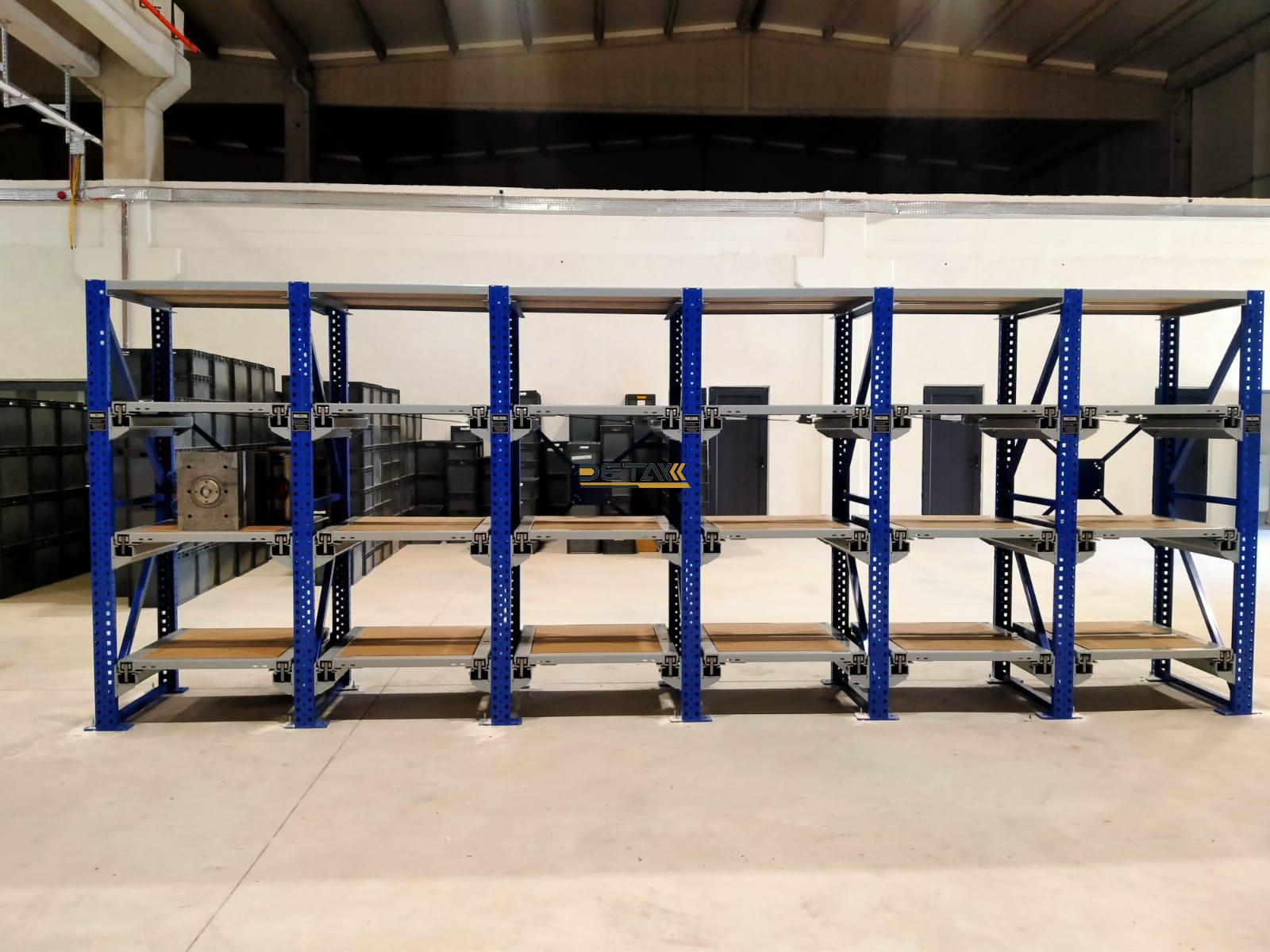
The first thing I would do is divide the mold shop into clear functional zones, because a shop becomes inefficient very quickly when storage, preparation, maintenance, and transport all overlap in the same undefined space. I like to imagine the layout almost like a sentence with good grammar, where each part has a role and the meaning becomes easy to follow. In practical terms, that means one zone for mold storage, one zone for inspection and light preparation, one zone for tool support, and one obvious route for safe movement between them, so the team never has to guess where the next action should happen. A good mold rack area should sit at the center of this logic, not because it is the biggest item in the room, but because it is the point where access quality begins to influence everything else.
The second thing I would do is place the drawer racks where they support both visibility and retrieval, because drawer-based mold storage works best when the mold can come toward the technician in a controlled and readable way rather than forcing the technician to reach deep into a static structure. That is why I find a drawer mold rack so useful in real life, since it creates a calmer front working zone and makes it much easier to identify the mold, inspect it quickly, and prepare it for transfer without awkward body positions or unnecessary repositioning. In many shops, that single design choice quietly removes a lot of daily friction, and once the storage starts working with the team instead of against the team, the whole room begins to feel more professional 🌟
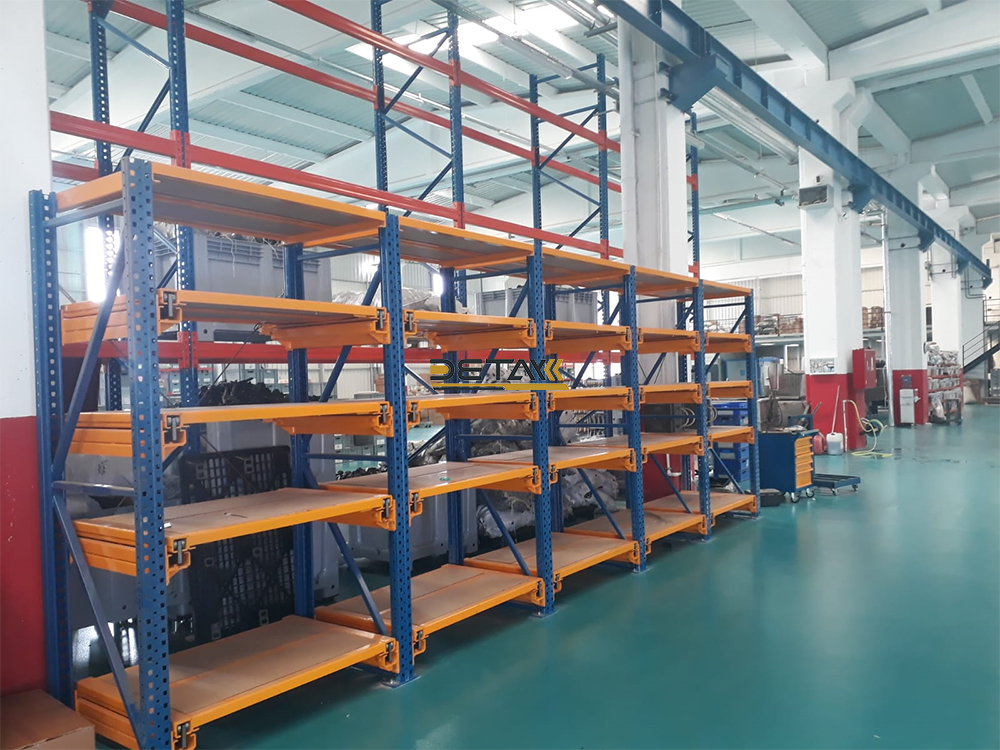
The third thing I would do is place a durable workbench right next to the mold storage zone, because the mold shop should never force every check, wipe, note review, or preparation step to happen somewhere far away. I love this arrangement because it turns the bench into a practical bridge between storage and action. A mold comes forward from the rack, the technician has an immediate surface for checking lifting points, reviewing condition, staging small accessories, or confirming preparation notes, and the whole sequence stays short and logical instead of stretching across the room. That kind of proximity saves more time than people often expect, and even more importantly, it lowers the amount of unnecessary handling that creeps into the process when the next useful surface is too far away.
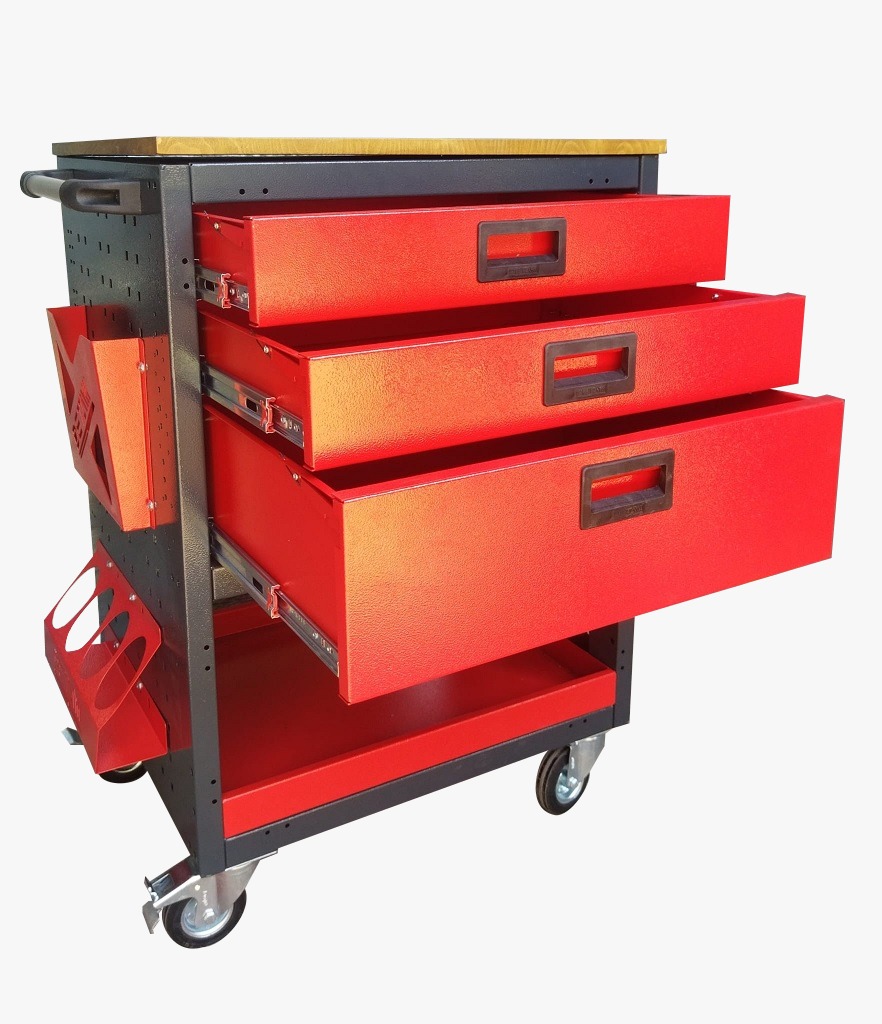
The fourth thing I would add is a modular trolley layer, because a good mold shop rarely works well with fixed infrastructure alone. A trolley gives the layout mobility without chaos, which is a combination I really value. Instead of carrying hand tools, bolts, measuring devices, or small prep items back and forth in an unstructured way, the team can use a dedicated drawer rack system mindset through modular tool trolleys that move with the job and keep frequently used items close to the active zone. I think this matters especially in mold shops because the work changes from one moment to another. Sometimes the priority is inspection, sometimes it is preparation, sometimes it is changeover support, and the trolley gives the room a flexible support layer that keeps tools near the work without cluttering the workbench itself.
| Layout Element | Main Purpose | Operational Benefit |
|---|---|---|
| Drawer mold racks | Controlled mold storage and access | Faster retrieval and better visibility |
| Workbench zone | Inspection, staging, and light preparation | Less back-and-forth movement |
| Tool trolley layer | Mobile support for tools and accessories | Better point-of-use access |
| Clear travel path | Safe movement between zones | Less congestion and smoother handling |
| Visual labeling | Identification and return discipline | Less searching and less hesitation |
The fifth thing I would focus on is visual order, because mold shops become mentally tiring when every rack bay, trolley drawer, and bench corner requires interpretation. I want the space to explain itself. I want mold positions to be clear, trolley drawers to feel purposeful, and workbench surfaces to stay readable instead of becoming a holding place for everything that did not find a home elsewhere. This is where 5S thinking becomes so helpful in a mold environment, because a place for everything is not just a nice phrase, it is the difference between calm movement and accidental delay. That is also why I think Detay Industry works so well in this conversation, because the broader system logic across racks, benches, and trolleys naturally supports visual control instead of fighting it.
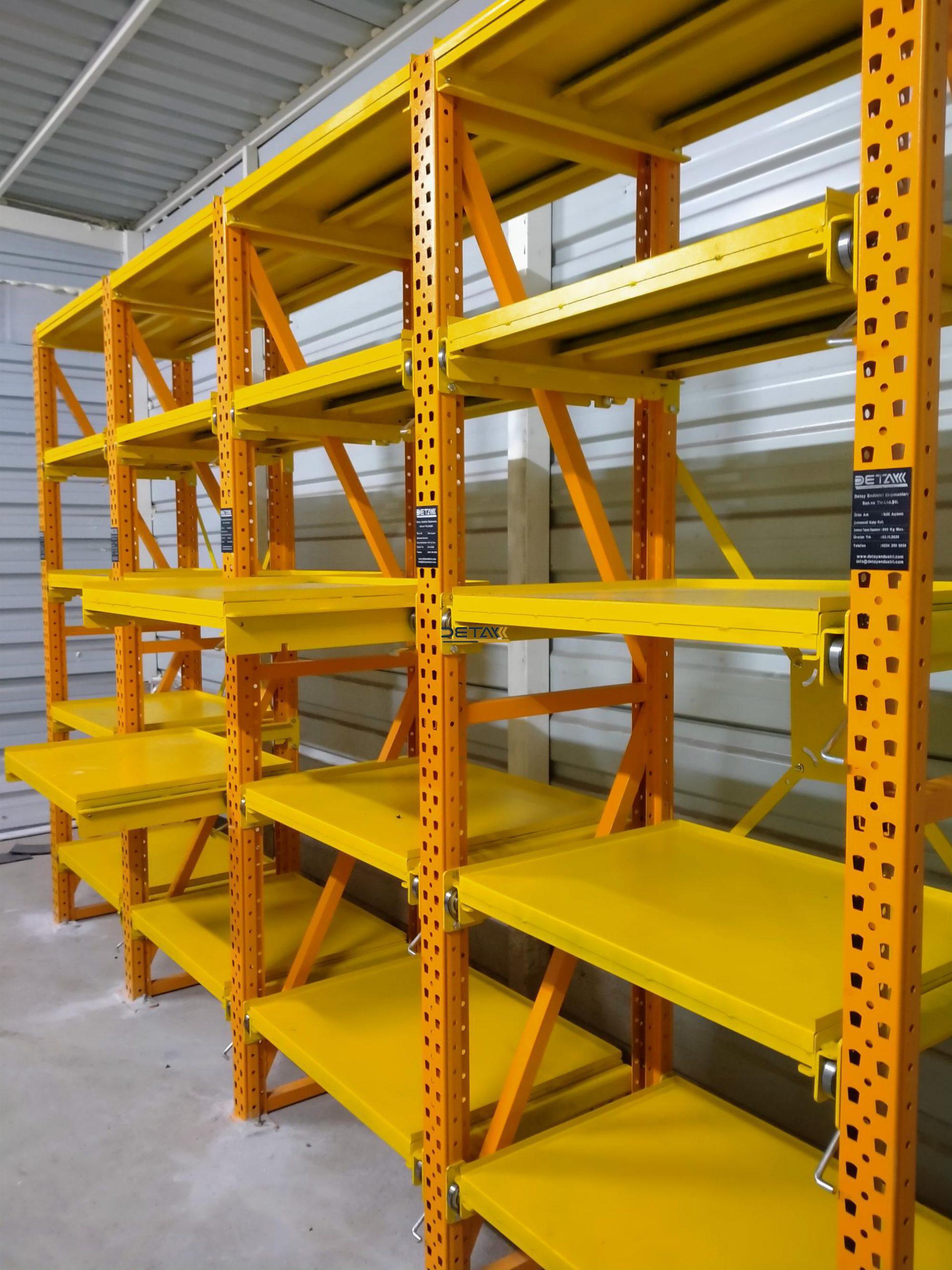
The sixth thing I would do is place the most frequently used molds and the most frequently used support tools in priority zones, because not all movement deserves the same distance. This sounds simple, but it changes the daily feeling of the shop. A commonly used mold should not live in the most awkward position, and a commonly used measuring tool should not force someone to cross the room or dig through three drawers to find it. When the layout reflects real usage patterns, the shop begins to feel intelligent. A well-positioned injection rack combined with a close trolley and a nearby bench creates exactly that kind of intelligence, where the most common actions happen in the shortest and clearest sequence possible.
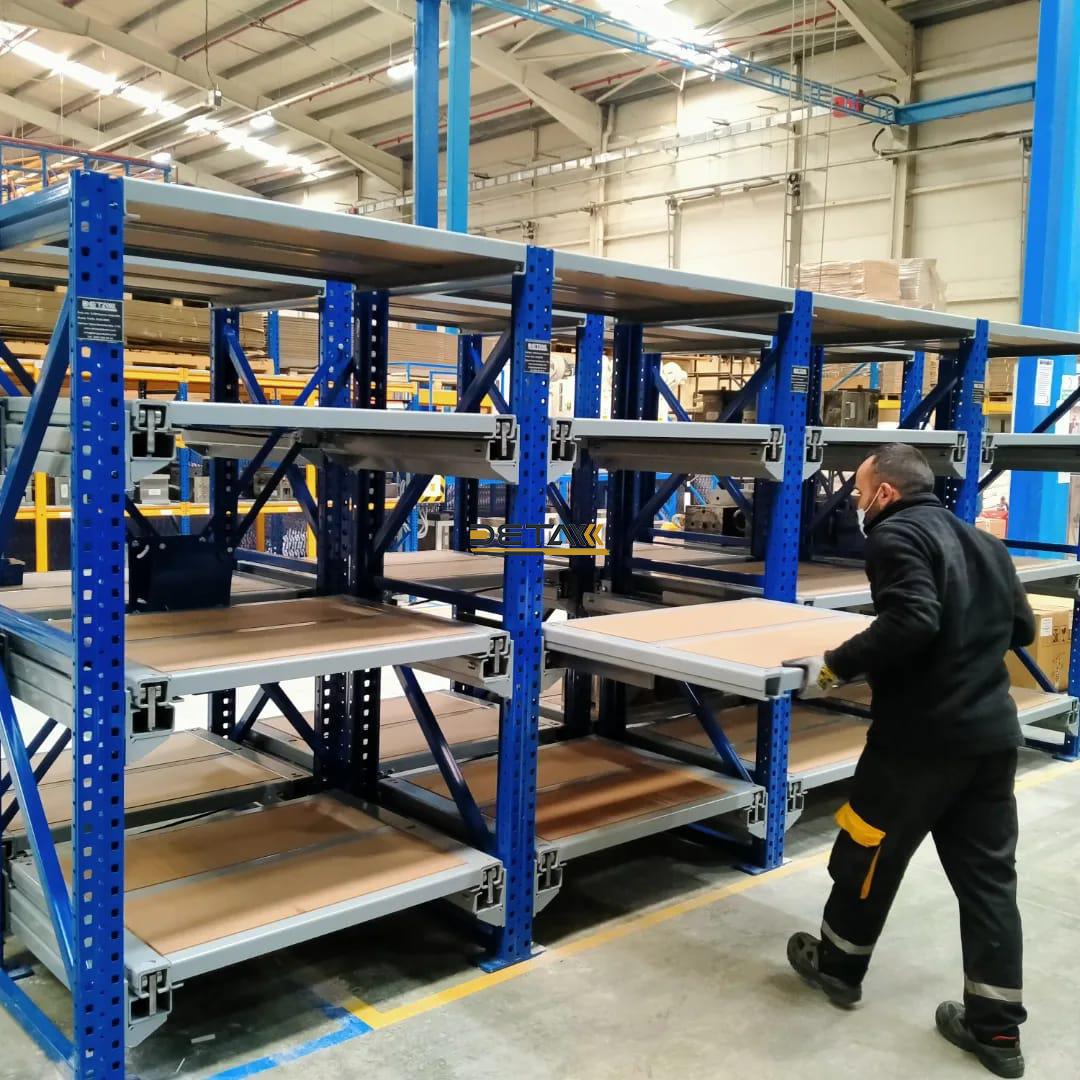
The seventh thing I would build into the room is a simple and safe travel path, because even the best storage and bench setup loses value if movement through the room feels cramped or constantly interrupted. I think this matters more than people first realize, because mold shops deal with weight, attention, and timing all at once, so the route between drawer rack, bench, trolley, and exit point should feel clean and predictable rather than improvised. I always imagine this like designing a river instead of allowing puddles to form. Flow works best when the path is visible. Once that path is protected, the rest of the layout becomes easier to trust.
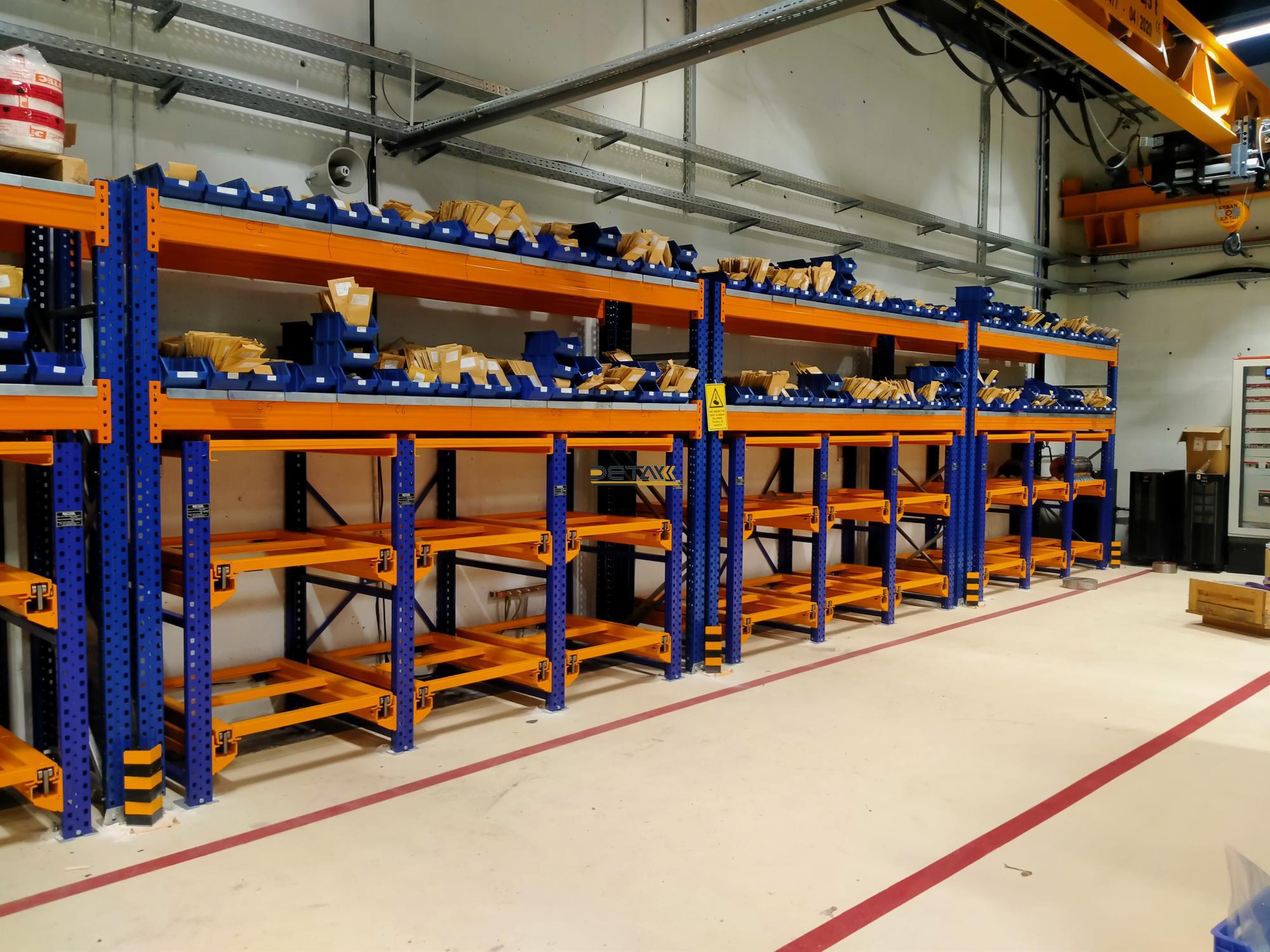
The eighth thing I would recommend is combining fixed and mobile logic instead of choosing only one, because fixed drawer racks provide stability and control while trolleys provide agility, and the workbench gives both of them a practical meeting point. This three-part relationship is exactly why the layout can become both efficient and adaptable. The racks hold the heavy order of the room, the trolley carries the active toolkit of the moment, and the bench becomes the landing zone where short tasks can happen without disrupting the storage area. In a very real sense, that combination turns the mold shop into a small ecosystem rather than a storage room with extra furniture, and I think that is the most useful way to see it 😊
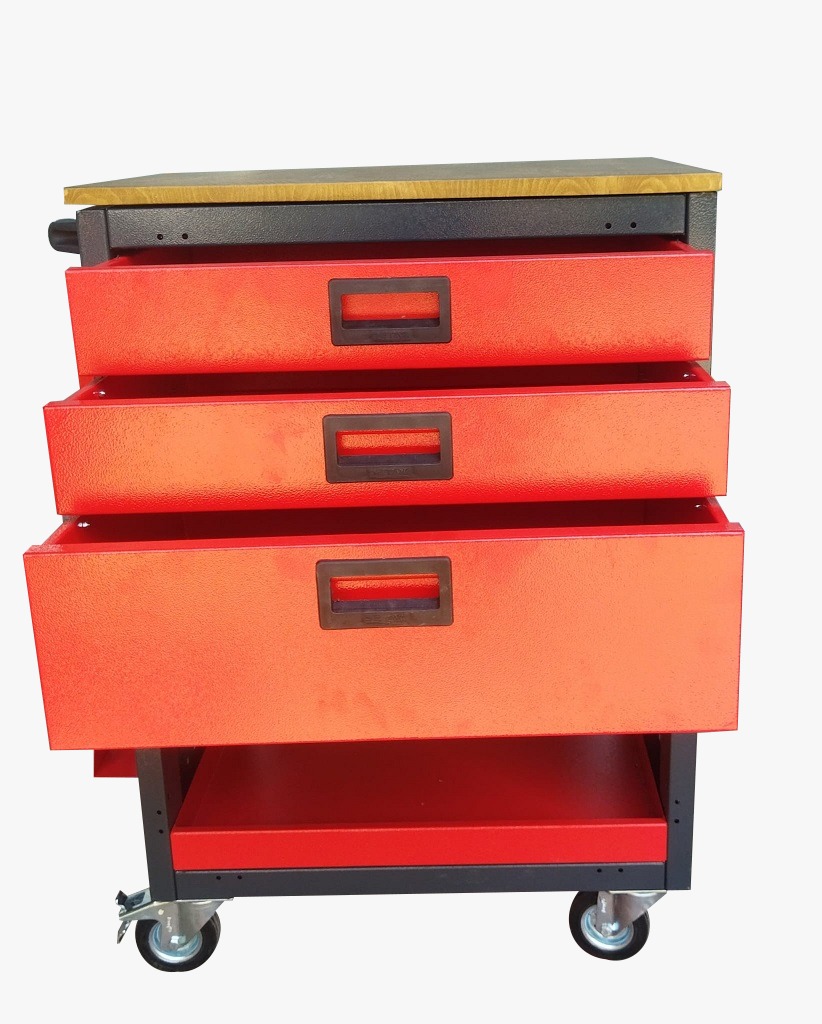
Let me give a very practical example. Imagine one mold shop where molds sit on generic shelves, tools are spread across several corners, and every inspection requires carrying items to a distant table. Even if the team is experienced, the room keeps stealing time through search, walking, and awkward preparation. Now imagine another mold shop where the molds live in a clearly labeled mold shop drawer system, a strong bench sits directly beside the storage zone, and a trolley carries the most relevant tools for the current task. The second room does not just look better. It behaves better. The team moves less, sees more, and handles the molds with less frustration and less wasted motion. That is exactly the kind of difference I would want every day in a working shop.
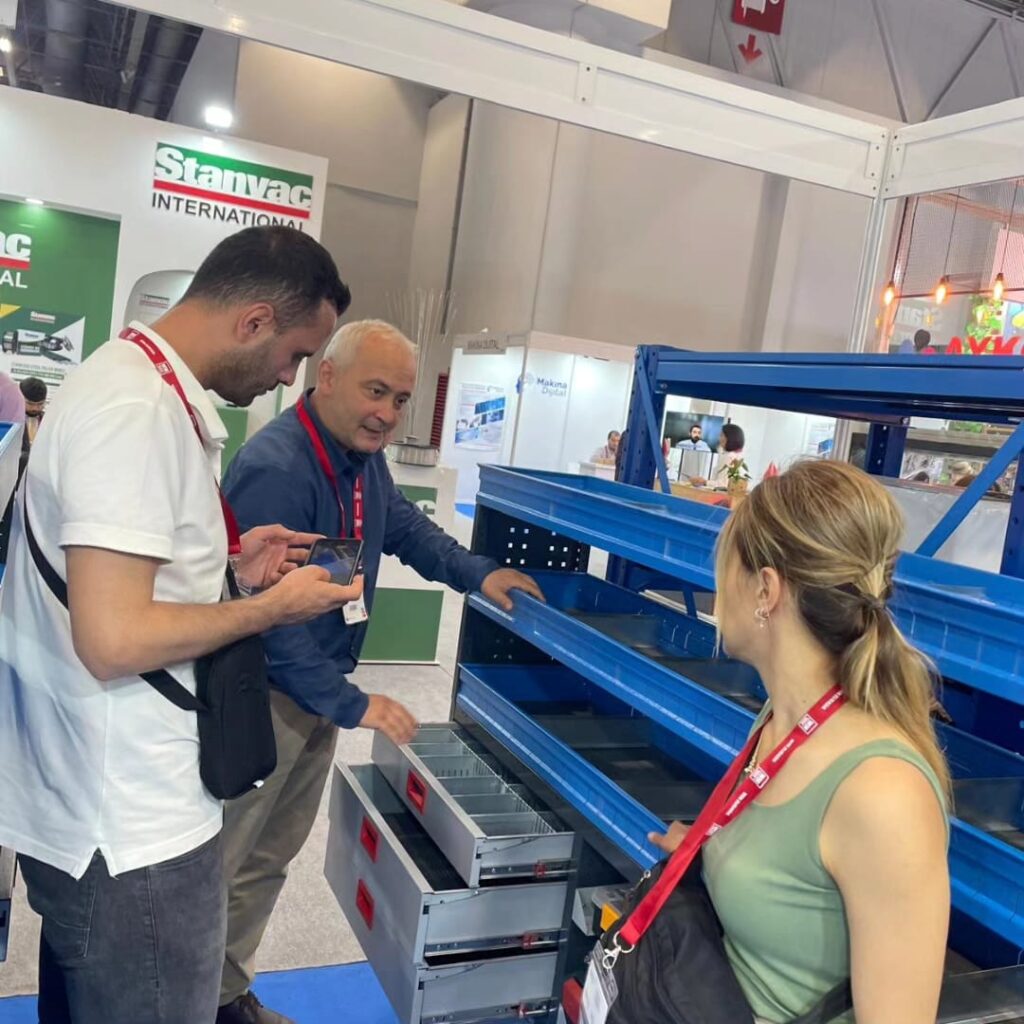
The ninth thing I would do is keep supporting items organized in companion systems instead of letting them spread onto the floor or bench edges, because mold shops often accumulate accessories, lifting aids, bolts, cleaning items, and small consumables that quietly create clutter if nobody gives them a real home. This is where a nearby rack systems approach for secondary items or a compact cabinet zone becomes very useful. The bench should stay usable, the trolley should stay purposeful, and the rack should stay readable. Once extra items begin colonizing those surfaces, the flow starts breaking down.
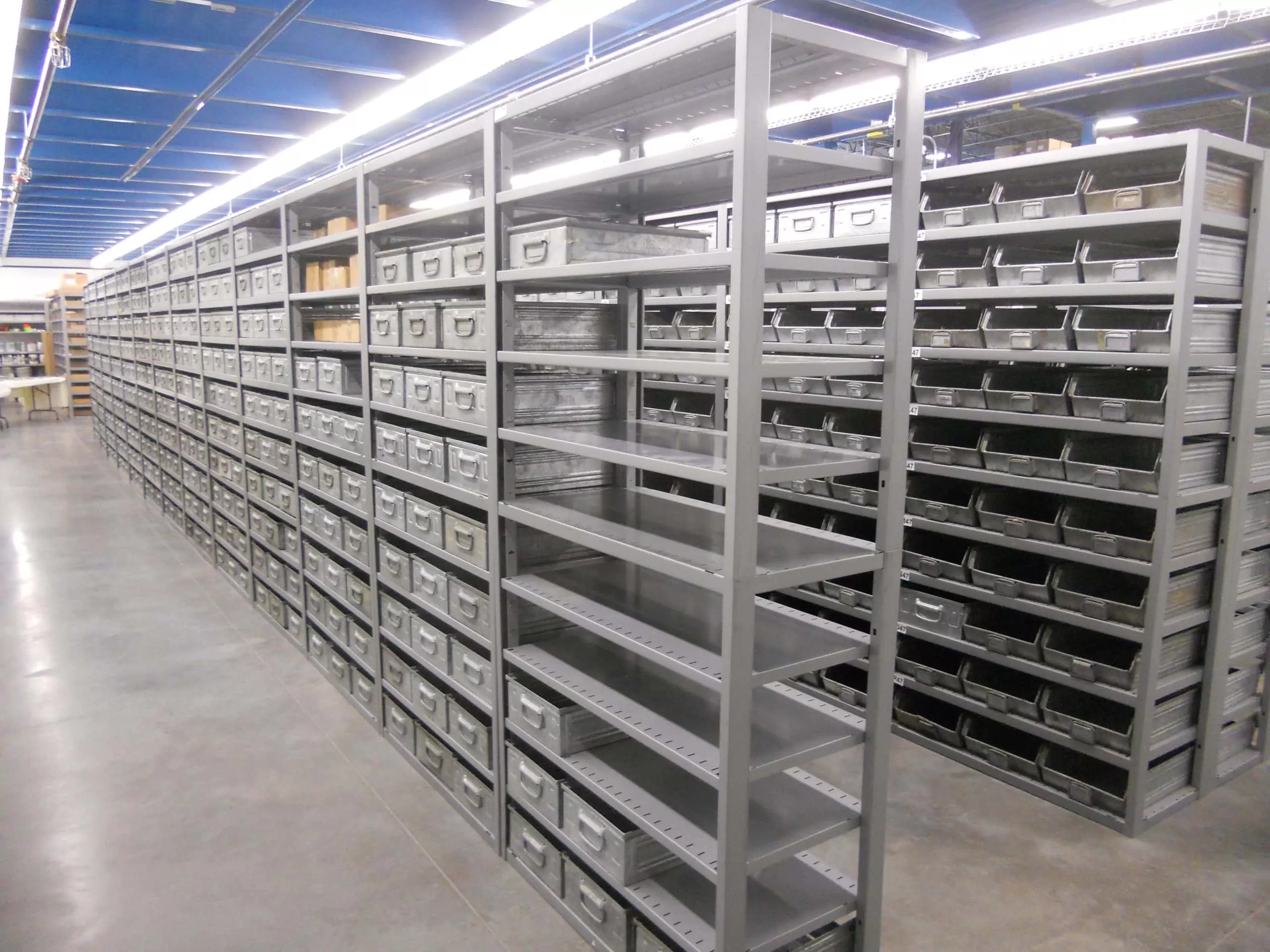
The tenth thing I would never forget is that the best mold shop layout is not the one with the most equipment, but the one with the clearest relationship between storage, movement, and preparation. I think this is where many layouts go wrong, because they add more surfaces and more storage but do not improve the sequence of work. A truly efficient mold shop asks a much better question, which is not “How much can we fit here?” but “How smoothly can the next task happen here?” That is the question I would always use, and it is also why I keep coming back to Detay Industry, because the combination of drawer racks, workbenches, and trolleys makes the answer feel practical rather than theoretical.
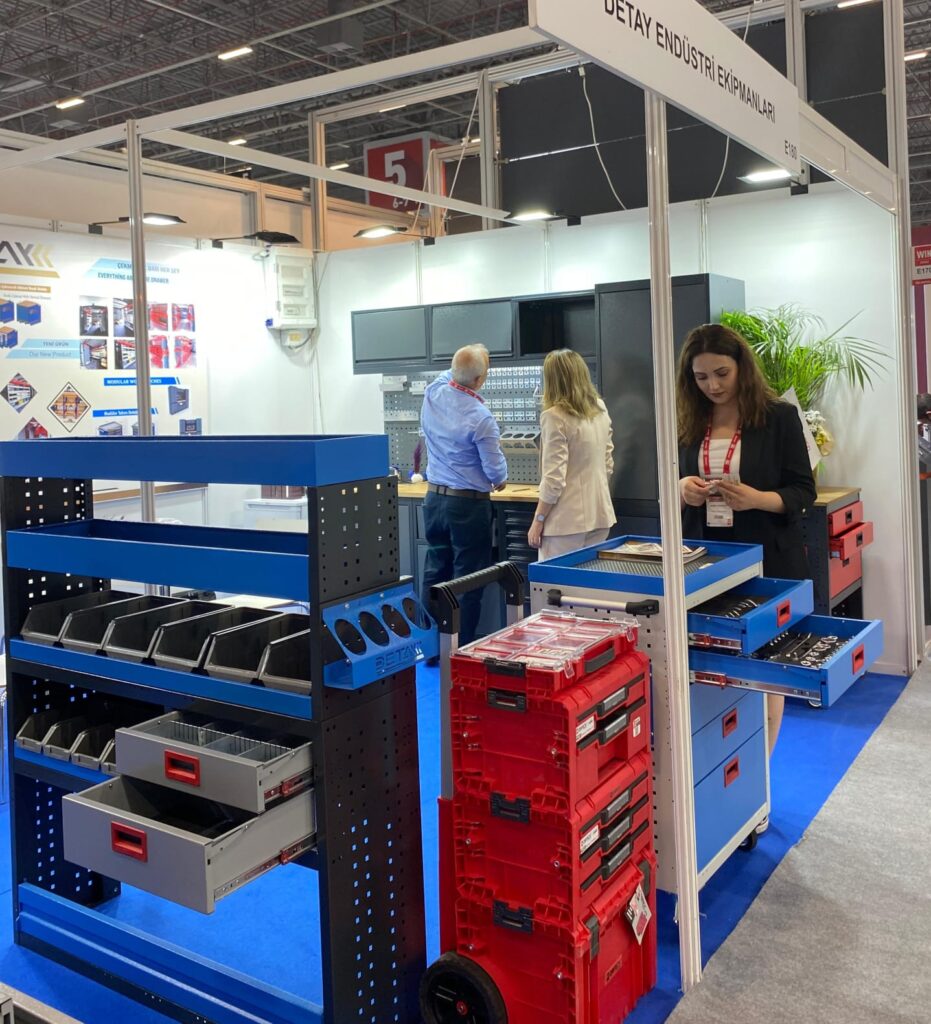
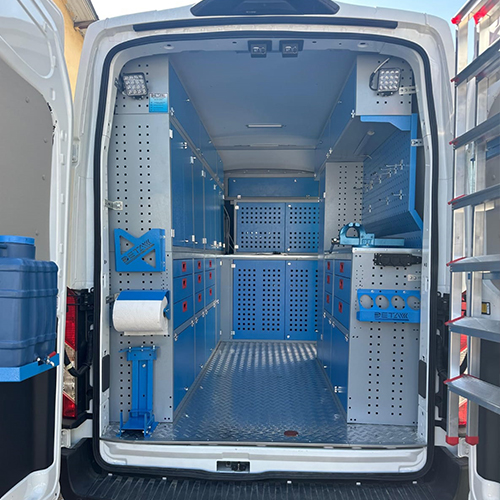
I also find it useful to borrow a little organizational thinking from mobile service systems, because the same principle that makes an in-vehicle equipment rack or an in-vehicle cabinet system effective also works in a mold shop, which is simply that tools and materials should be placed in the order and proximity that real work demands. Once that principle is respected, even a heavy industrial room starts feeling more natural and less tiring.
In the end, building an efficient mold shop layout with workbenches, trolleys, and drawer racks is really about turning heavy work into a more readable sequence. When storage presents molds clearly, benches sit where preparation actually happens, trolleys move the right support items to the point of use, and the travel path stays obvious and clean, the whole shop starts working with less friction and more confidence. That is why I believe Detay Industry offers such a strong foundation for mold shops that want better flow, better access, and a layout that genuinely supports the people doing the work every day 🚀
