


When I think about packaging, I never see it as only a box, a separator, or a soft layer placed around a product, because packaging is actually the first silent promise a brand makes before the customer even touches the product 😊. A good package says, “I protected this item carefully, I respected its value, and I cared about the moment it reaches you,” while a weak package can turn months of production, quality control, logistics planning, and customer expectation into one disappointing delivery experience. This is exactly why DurPack flat bonded polyethylene foam becomes such a practical solution for businesses that want economical protection without giving up quality, because it offers a smart balance between cushioning, heat insulation, sound insulation, humidity resistance, dust protection, easy application, and reliable shock protection. According to the official DurPack product information, this non cross linked polyethylene foam is a more economical option compared with advanced cross linked foam families and is mostly preferred in application areas where the standards are not as demanding, yet where insulation and impact protection still matter very much.
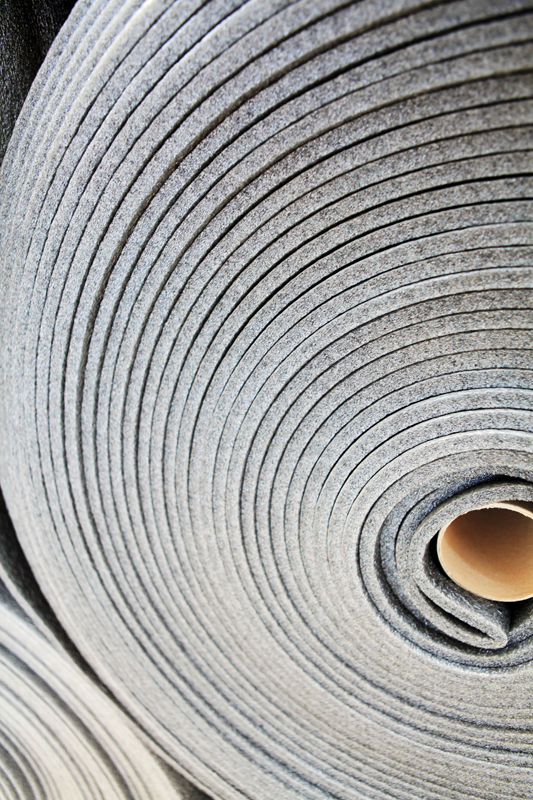
As a polyethylene foam manufacturer, Durfoam brings a very practical material perspective into packaging, because not every product needs the most expensive foam in the market, but every product deserves protection that matches its risk, shape, weight, surface sensitivity, logistics route, and customer expectation. In plain language, DurPack is like a reliable everyday jacket for products on the move 🧥; it may not be the most technical armor for extreme conditions, yet it offers dependable comfort, protection, lightness, and economy for a wide range of packaging applications. For manufacturers, distributors, exporters, white goods producers, electronics suppliers, furniture accessory brands, glassware sellers, industrial parts companies, and e commerce businesses, this balance is extremely important because packaging must protect the product and the budget at the same time.
Why Economical Packaging Does Not Have to Mean Weak Packaging
Many companies make the mistake of thinking that economical packaging automatically means low quality, but in my experience, the smarter question is not “What is the cheapest material?” but “What is the most suitable material for this product and this logistics journey?” 😊. A low risk product with moderate fragility may not need premium cross linked foam, while a very sensitive medical device or high value electronic component may require a more advanced structure, so the best decision always begins with the application. DurPack is valuable because it gives companies a cost conscious PE foam solution for many everyday packaging needs, especially where products require cushioning, surface separation, dust protection, and moisture awareness without the higher specification requirements of premium cross linked materials.

Closed cell polyethylene foam is widely valued in protective packaging because it can provide shock absorption, water resistance, shape stability, and lightweight handling, and the official Durfoam packaging sector page explains that these products provide heat, sound, humidity, dust insulation and shock protection, recover form after impact, do not cave in, do not collect dust over time, and can be applied easily and quickly thanks to their elasticity and weight. For a pe foam manufacturer, this is the core value of practical packaging foam: it must protect during movement, remain clean during storage, separate surfaces during stacking, and still be easy enough for production teams to use without slowing down the line.
| Packaging Need | Common Problem | How DurPack Helps | Business Benefit |
|---|---|---|---|
| Impact protection | Products can face drops, vibration, pressure, and rough handling during transport | Creates a cushioning layer that helps absorb shock and reduce direct impact transfer | Fewer damage complaints and safer delivery experience |
| Dust insulation | Warehouse dust or carton particles can affect product cleanliness | Separates product surfaces from dusty external contact | Cleaner presentation when the package is opened |
| Humidity resistance | Moisture can affect packaging quality and product appearance | Closed pore structure supports better resistance against moisture exposure | More stable protection in changing storage and transport conditions |
| Cost control | Over specified packaging increases unit cost unnecessarily | Offers economical protection for applications where advanced standards are not required | Better balance between protection and packaging budget |
DurPack in Real Packaging Scenarios
Let me make this more tangible with a simple example. Imagine a company shipping painted metal accessories, small appliance parts, decorative panels, or sensitive plastic components inside a carton, and imagine those products rubbing against each other during a long road journey 🚚. Without proper separation, even a small vibration can create scratches, edge marks, surface dullness, or customer dissatisfaction, yet with DurPack placed as a separator, wrap, pad, or insert, the product gains a soft protective boundary that helps reduce direct contact and absorbs part of the movement. This kind of packaging may not look dramatic from the outside, but it can quietly prevent returns, service costs, rework, and customer frustration, which is why I always see packaging foam as a cost saver rather than only a cost item.
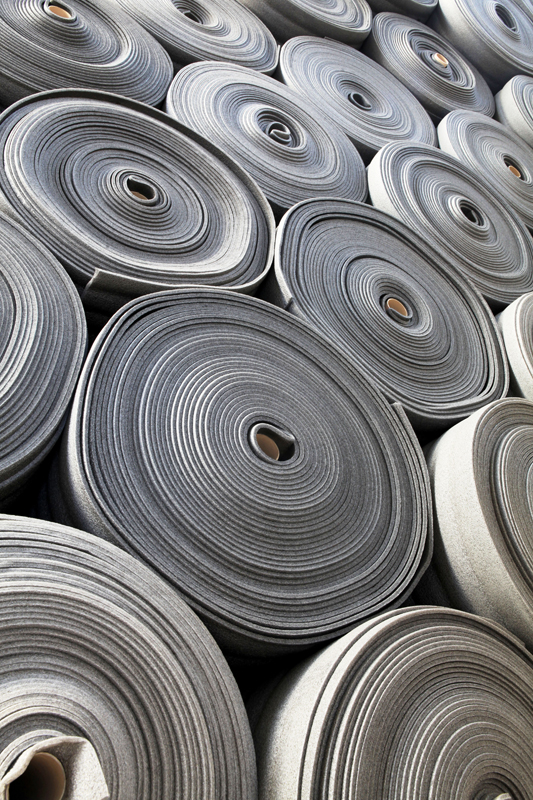
Compared with a physically cross linked polyethylene foam manufacturer solution such as DurProx or a chemically cross linked polyethylene foam manufacturer solution such as DurSolex, DurPack is positioned as the more economical member of the PE foam family, and that positioning is actually its strength when the application does not require advanced surface refinement, high specification cross linked structure, or premium technical performance. In other words, DurPack is not trying to be everything for every application; it is designed to be a practical answer for packaging and insulation needs where economy, flexibility, and dependable protection are the main priorities.
Impact Protection and Shape Recovery
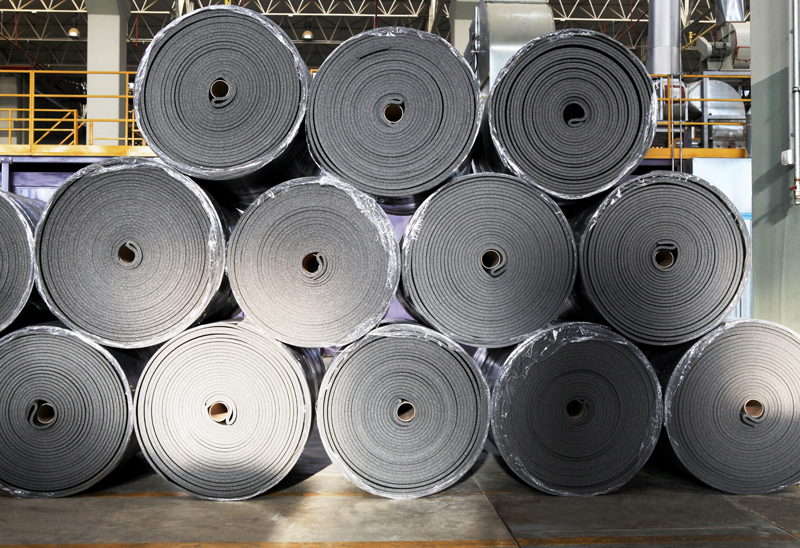
One of the strongest reasons to use polyethylene foam in packaging is its ability to cushion impact and recover its form after pressure, because products rarely travel through a perfectly smooth journey. They are stacked, moved, loaded, unloaded, stored, counted, opened, repacked, and delivered through many hands and many surfaces. DurPack helps create a protective buffer between the product and the outside world, almost like a calm shock absorber that stands between value and risk. I like to compare it to placing a soft but disciplined guard at the door of a product’s journey, because the foam does not stop the journey, it simply makes the journey safer and more controlled.
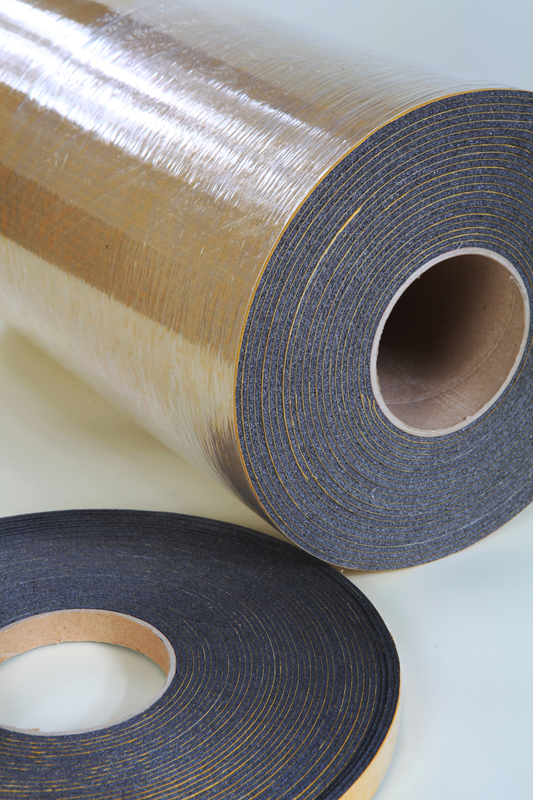
This protective behavior is especially useful for sectors where products may not be extremely fragile but still require surface care, such as white goods accessories, small machinery parts, metal profiles, glass elements, furniture components, electronic housings, automotive spare parts, and general industrial goods. A polyethylene foam manufacturer that understands packaging applications can help choose sheet thickness, roll format, cutting style, lamination requirement, and product placement logic according to the actual risk level. This matters because using too little protection may cause damage, while using too much protection may increase cost, carton size, labor time, and shipping volume unnecessarily.
Dust, Moisture, and Surface Cleanliness
Dust protection may seem less urgent than impact protection at first, but product cleanliness can strongly influence customer perception, especially when the product has a visible surface, glossy finish, painted part, polished component, or premium packaging presentation. Nobody wants to open a package and feel that the product has been waiting in a forgotten warehouse corner, and this is where DurPack helps by creating a cleaner barrier between the product and the surrounding environment ✨. The same logic applies to humidity resistance, because closed pore polyethylene foam is not like a sponge that easily drinks moisture, and this helps preserve packaging stability in real storage and logistics conditions where humidity and temperature can change unexpectedly.
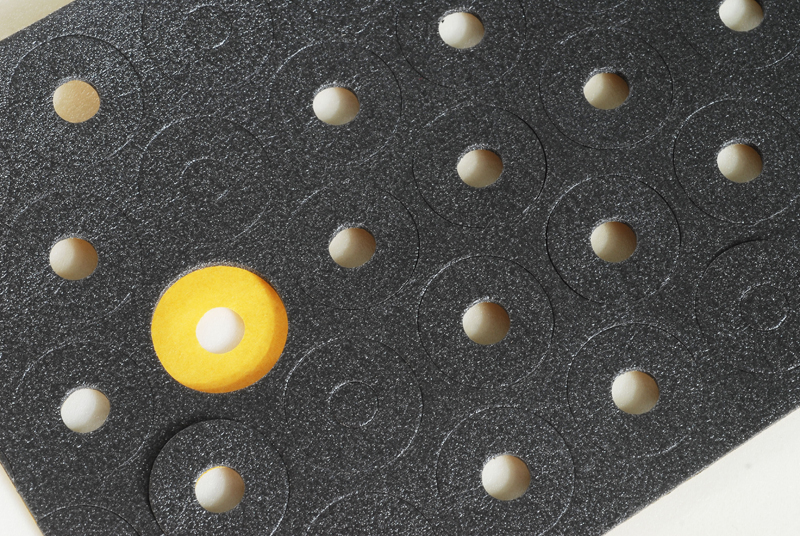
For me, this combination of impact protection, dust insulation, and moisture awareness is what makes DurPack so valuable in everyday packaging. It is not a single purpose material; it is a practical multi tasking layer that helps the product stay cleaner, safer, and more stable during movement. A pe foam manufacturer can also support different production and conversion possibilities, because packaging foam may be needed as a simple sheet in one project, a wrap in another, a separator in another, or a custom insert in a more specific application.
Where DurPack Creates the Most Value
DurPack creates the most value in applications where the product needs reliable protection but the project does not need the premium cell structure, surface appearance, or high performance expectations of advanced cross linked foam. For example, if a company ships mid value components that need separation inside cartons, DurPack can reduce rubbing and impact risk economically; if a furniture accessory manufacturer wants to protect coated metal parts, DurPack can act as a soft and clean buffer; if an e commerce supplier wants lightweight cushioning that does not absorb moisture easily, DurPack can be used as a practical packaging layer; if an industrial producer wants to protect parts during internal storage, DurPack can support cleaner organization and safer handling.
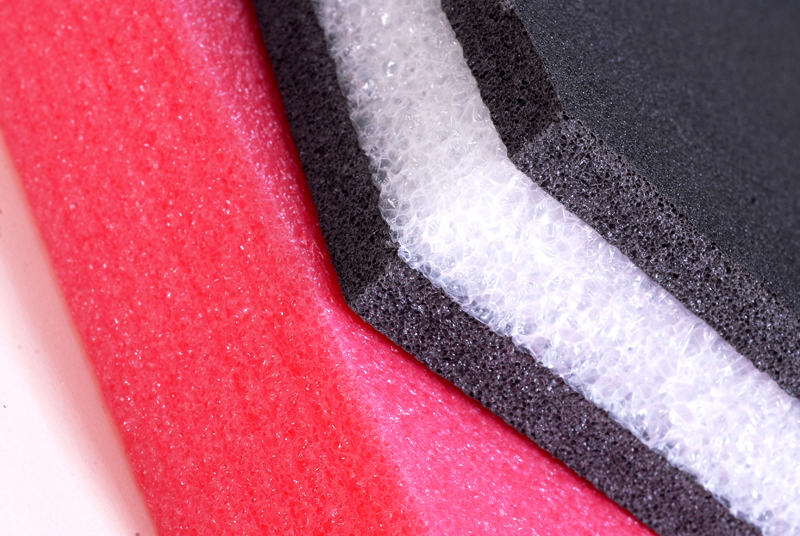
At this point, the role of Durfoam becomes important because choosing foam is not only about ordering rolls or sheets, it is about matching the packaging material to the product journey. A physically cross linked polyethylene foam manufacturer may be the right choice for high specification medical, aesthetic, or precision applications, while a chemically cross linked polyethylene foam manufacturer may be preferred for more demanding insulation or technical uses, yet DurPack becomes the smart economical choice when the project requires dependable everyday protection. This is the kind of material decision that saves money without gambling with product quality.
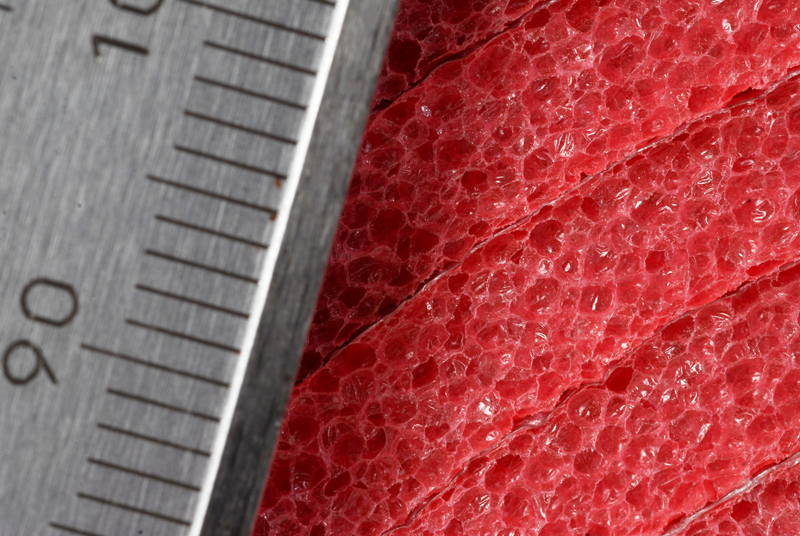
A Practical Selection Checklist
If I were selecting DurPack for a packaging project, I would first look at product weight, corner sensitivity, surface finish, expected drop risk, storage duration, carton design, shipping distance, stacking pressure, warehouse humidity, and whether the product needs protection mainly from impact, dust, abrasion, moisture, or movement inside the box. Then I would test different thicknesses and placements, because packaging is a little like tailoring a suit; the fabric can be excellent, but the fit decides whether it feels right. A foam sheet that is too thin may not protect enough, while a foam layer that is too thick may waste space and cost, so the best result usually comes from testing real samples under real handling conditions.
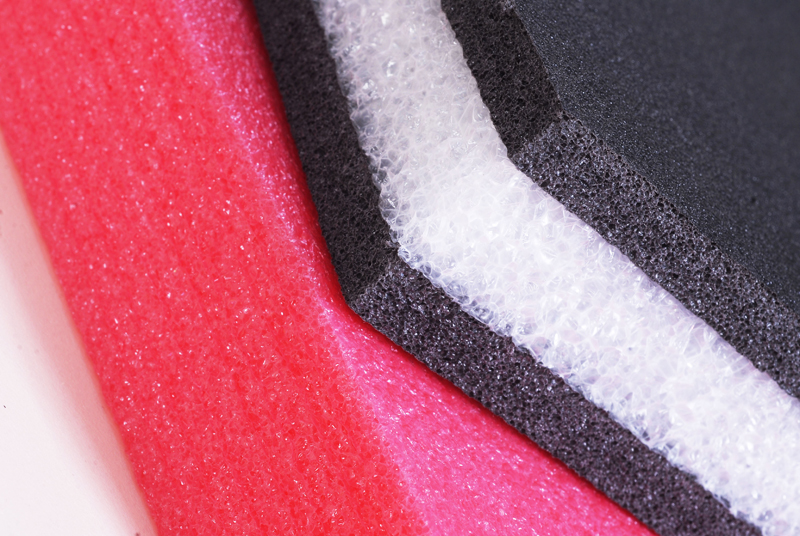
This practical testing mindset is also important because packaging damage often comes from small details rather than obvious mistakes. A corner may touch the carton wall, a heavy product may compress weak protection, a small accessory may scratch the main product, or a dusty surface may reduce the premium feeling during unboxing. DurPack helps solve many of these problems through cushioning, separation, and insulation, yet the layout still needs thoughtful planning. That is why I would always involve production, logistics, quality, and purchasing teams together, because a good packaging solution must satisfy all of them, not only the person who approves the material price.
Key Insights for Economical and High Quality Packaging
The first key insight is that economy and quality can work together when the material is selected according to the real performance need rather than according to habit. The second insight is that DurPack is especially useful where products need practical cushioning, dust insulation, humidity awareness, surface separation, and easy handling without the extra cost of advanced cross linked foam. The third insight is that packaging must be designed as a system, because carton strength, foam placement, product geometry, stacking method, palletization, and transport route all influence the final result. The fourth insight is that a polyethylene foam manufacturer and pe foam manufacturer with broad sector experience can help businesses avoid both under protection and over specification, which is exactly where real cost optimization begins.
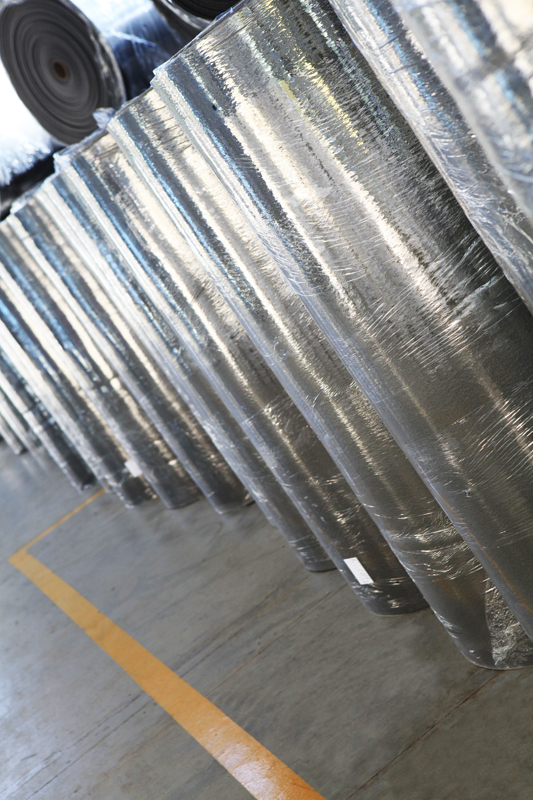
The fifth insight is emotional but very real: packaging affects trust. When a customer opens a product and sees clean surfaces, careful separation, and no transport damage, the brand feels more professional before the product is even used. When the package is messy, dusty, scratched, or unstable, the opposite happens. This is why I believe packaging foam should be seen as a customer experience tool, not only a logistics material. With Durfoam, DurPack gives companies a way to protect products in a balanced, economical, and quality focused manner, especially when the goal is to reduce damage risk and improve presentation without increasing packaging complexity unnecessarily.
DurPack Is the Smart Everyday Protection Layer
DurPack flat bonded polyethylene foam is a strong solution for businesses that want economical and high quality packaging support in the same material, because it combines practical cushioning, heat and sound insulation support, humidity and dust insulation, shock protection, easy application, and useful shape recovery in a cost conscious PE foam format. It is especially suitable for applications where the product needs dependable protection but does not require the higher specification profile of DurProx or DurSolex, making it a smart choice for many general packaging, industrial protection, white goods, electronics, furniture accessory, and logistics based uses. For me, DurPack is like the reliable worker behind the scenes, quietly doing its job every day, protecting products, reducing complaints, helping production teams move faster, and supporting a cleaner delivery experience 😊.
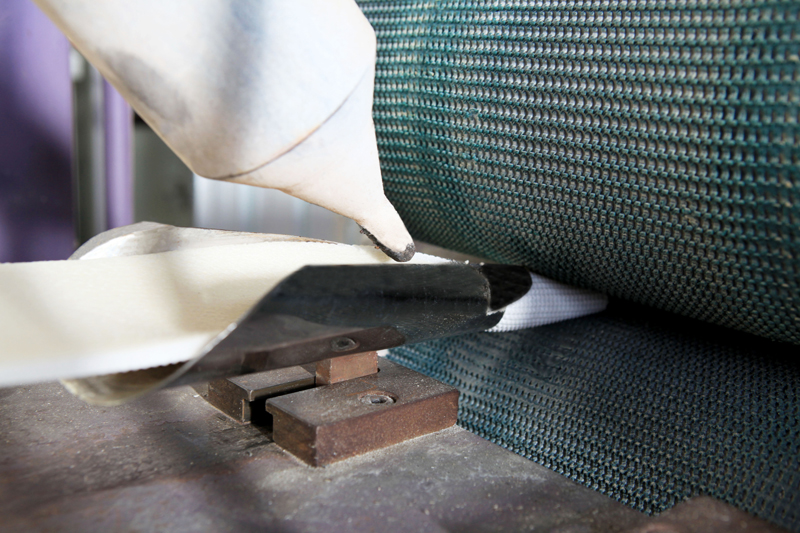
In the end, the best packaging material is not always the most expensive one; it is the one that protects the product correctly, supports the workflow smoothly, respects the budget, and creates confidence when the package is opened. DurPack does exactly that for many practical applications, and with the material knowledge of Durfoam, companies can build packaging solutions that feel economical without looking careless, simple without being weak, and lightweight without sacrificing protection. For businesses that want to reduce damage, improve presentation, control packaging costs, and keep products safer from factory to final delivery, DurPack offers a thoughtful and dependable path forward 💙.
