



For this reason, I usually separate the decision into four questions that are easy to understand even when the project itself is technically demanding: what load will the foam carry, what temperature and humidity will it see, how much movement or compression is acceptable and how will it be cut, bonded, laminated or formed? In printed circuit boards, sensors, connectors, memory devices, displays, laboratory instruments and repair logistics, these questions are especially important because the foam often works as part of a larger assembly rather than as an independent product. A closed cell structure can help resist incidental water entry and provide a consistent contact surface, while cross linking can improve resilience and surface quality, but neither statement should be treated as a universal promise for every grade. The material data, test thickness, test direction and finished geometry still matter. At Durfoam, I prefer a clear technical conversation supported by samples, drawings and application details, because choosing foam by touch alone is like choosing a tyre by its colour: it may look convincing, but it does not tell you how it will behave on the road. 🔍

The main performance insight for Anti-Static Polyethylene Foam Packaging for Electronic Components is that the material should be judged as a system. A pad that reduces contact noise may need a particular compression range, an insulation layer may fail at an unsealed seam, and a protective insert may bottom out if it has no remaining compression travel when the impact arrives. That is why the practical selection criteria include the required material category depends on the component sensitivity, contact with the foam, field handling, grounding program, moisture conditions, bag or box system and the test method used by the customer. If the part will be used near electronics, I also check electrostatic requirements instead of assuming that any dark coloured foam is anti static; the EOS and ESD Association explains why static control is a process involving materials, equipment and handling practices, not merely a product label. If fire behaviour matters, I request the relevant test evidence and read the conditions carefully, because the UL 94 family evaluates specific specimen behavior and does not automatically certify every finished construction. This careful approach makes the product easier to defend in a quality review and gives purchasing teams a specification that can be checked rather than a vague promise. ✅
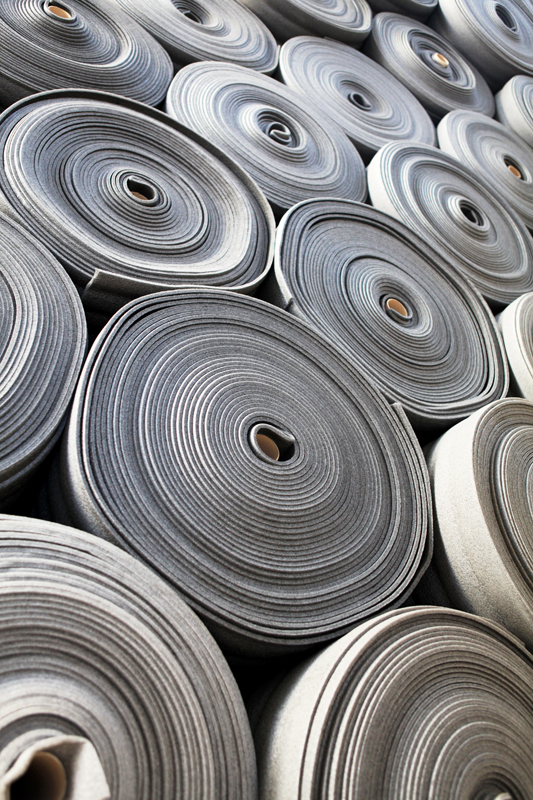
Here is the comparison I would use as a starting point, not as a substitute for testing. If a buyer searches for a polyethylene foam manufacturer, the important follow up is to describe the part mass, contact geometry and expected environment rather than requesting the cheapest sheet in a standard size. The same principle applies when a designer is comparing a chemically cross linked polyethylene foam manufacturer with a physically cross linked polyethylene foam manufacturer, because the manufacturing route, density range and surface finish can influence cutting, forming and long term recovery. For a project that specifically needs physical cross linking, I would also ask a pe foam manufacturer for a sample and a technical data sheet, then compare it against a polyethylene foam manufacturer only after defining the required performance. This terminology may sound repetitive in a search query, but the engineering logic is simple: the right foam is the one that maintains the required function inside the complete assembly.
Application comparison at a glance 📊
| Application | Main objective | Practical selection direction |
|---|---|---|
| General mechanical protection | scratches and impact | standard PE foam after compatibility review |
| ESD sensitive board | charge control and cushioning | tested dissipative or conductive system as required |
| High sensitivity device | protect against fields and discharge | complete ESD packaging chain with shielding where needed |
| Repair return kit | repeatable handling outside the factory | clearly labeled packaging and handling instructions |
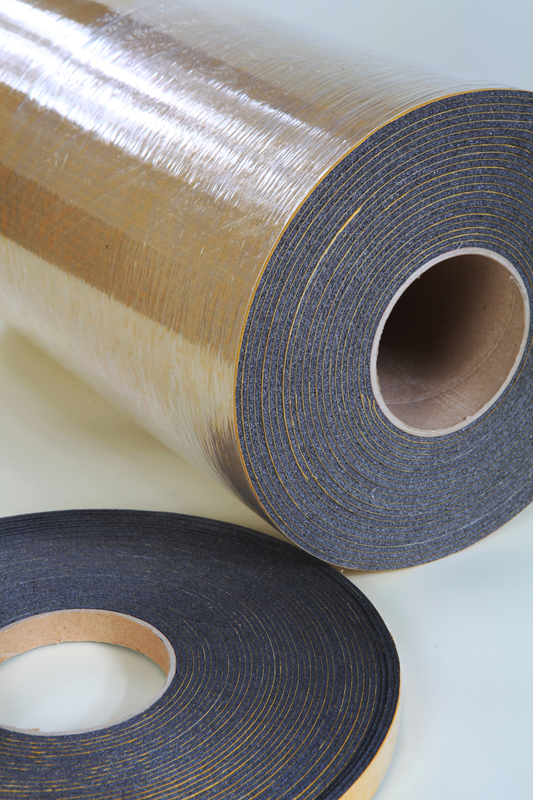
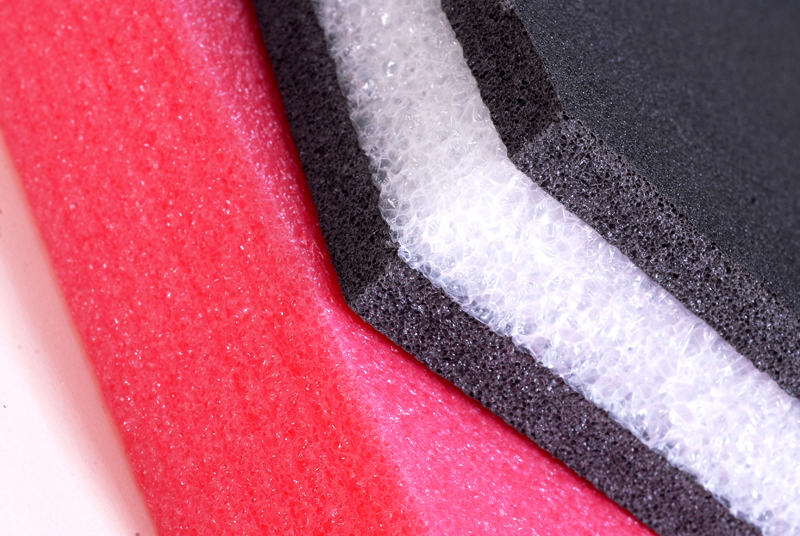
A useful example is a sensor shipment that arrived physically perfect but failed electrical testing because the foam had protected it from impact while allowing charge to build during removal from the tray. During a project like this, I would first map the load or noise path, then mark the exact points where the foam contacts the component, and finally create a sample that reproduces the real thickness, adhesive, cover, air gap and restraint method. A hand held test can reveal whether a surface scratches, whether an edge collapses or whether two parts stop touching, but it cannot replace a drop test, thermal cycle, compression set review, fire test or ESD verification when those risks are relevant. I have seen teams spend time changing colour, texture or nominal thickness while the actual problem was a gap at a corner or an uncontrolled fastening point; that is why an experienced chemically cross linked polyethylene foam manufacturer such as Durfoam should receive drawings and operating conditions together with the requested quantity. Small details often decide whether the foam behaves like a quiet cushion or a hidden source of movement. 🧩
During specification, I recommend recording the following information in one short technical brief: component dimensions, mass, contact surfaces, required thickness, target density range, temperature, humidity, chemical exposure, expected number of load cycles, fire or ESD standard, adhesive preference, colour, tolerance, cut profile and packaging or installation method. This makes discussions with a physically cross linked polyethylene foam manufacturer much faster and helps the customer compare quotations on equal terms. If the application needs a physical cross linked grade, the phrase pe foam manufacturer should be connected to a test method and a part drawing; if chemical cross linking is under consideration, the phrase polyethylene foam manufacturer should likewise be connected to compression behavior, forming needs and surface requirements. For general packaging, a chemically cross linked polyethylene foam manufacturer can help translate the protection target into a suitable material family, but the final design still deserves a practical trial under the worst reasonable handling condition.
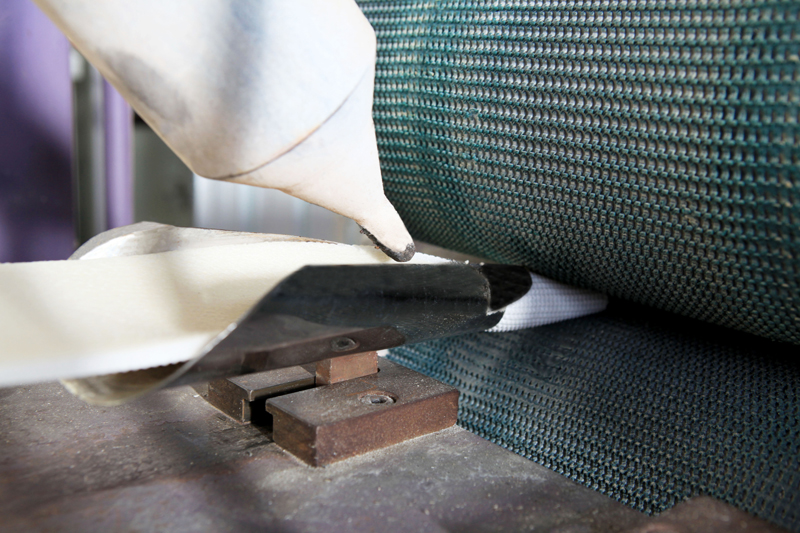
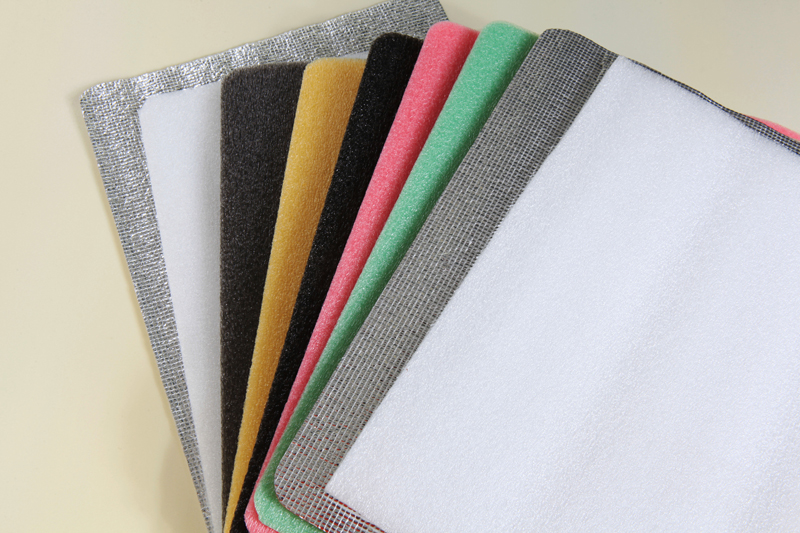
There is also an important sustainability and cost perspective. A material that costs slightly more per sheet may reduce damage, rework, returns and assembly time, while a thin custom die cut pad can use less material than a thick universal blanket. Reusable packaging may justify a more resilient grade, whereas a one way protective wrap may prioritize low weight and easy separation. In building or HVAC work, continuity and correct installation can be more valuable than simply increasing thickness, and in automotive or appliance production, repeatable converting and clean fit can reduce line interruptions. I see Durfoam as most useful when it acts as a technical partner during this translation from problem to specification, because the goal is not merely to sell foam but to create a stable interface between people, parts and processes. 🌱
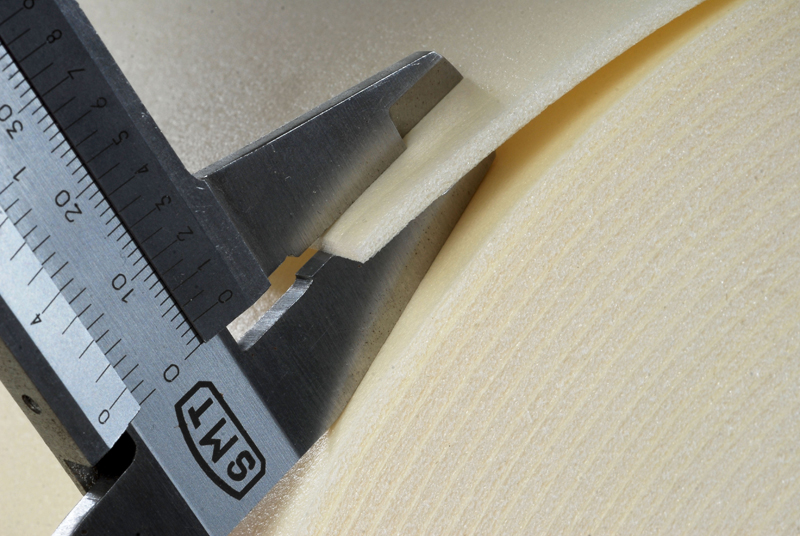
My conclusion is straightforward: start with the failure mode, define the environment, compare the material structures honestly and validate the finished assembly. For anti static and electrostatic dissipative PE foam packaging for electronics, there is rarely one magical thickness or one universally superior density, yet there is usually a clear path to a reliable answer when the project team measures the right things. I would rather recommend a modest sample program with clear acceptance criteria than make a confident claim based on a catalogue description, because dependable insulation and protection are built through evidence. If you are planning a new component, revising an existing package or looking for a better supplier, share the drawing, the operating conditions and the problem you are trying to solve with Durfoam; the conversation will be more productive, the comparison will be fairer and the final foam solution will have a much better chance of performing as expected. 💬
Research references
For the technical background of this article, I consulted EOS and ESD Association standards and education, AS Rubber PE foam material comparison and Polyformes PE foam applications. These references provide useful context, while the final specification should always be confirmed against the selected grade datasheet and the requirements of the finished product.
