


Before I even talk about cabinet layouts, I like grounding the conversation in reliable guidance, because efficiency without safety is a short lived win, and the basics are surprisingly well documented; for example, OSHA’s materials handling and storage guidance emphasizes that storage should not create hazards and that materials should be secured and kept from becoming trip, fire, or collapse risks, which is exactly the mindset you want in a workshop where people move fast and carry heavy things (see OSHA 1910.176 and OSHA’s overview PDF at OSHA 2236) 🙂✅; and when you combine that safety baseline with proven organization frameworks like 5S, which ASQ clearly summarizes as Sort, Set in order, Shine, Standardize, Sustain, you get a friendly, repeatable way to keep order from slipping back into chaos (ASQ’s tutorial is here: 5S tutorial) ✨🧠.
Now, when I say “custom tool cabinets,” I’m really describing three decisions that change everything at once, where tools live, how they are returned, and how fast someone can visually confirm what’s missing without thinking 🤔; the magic is not that a cabinet has more drawers, the magic is that the cabinet mirrors the job flow, so the tools appear where your hands naturally reach at the right moment, and this is where concepts like point of use storage become incredibly practical, because storing tools exactly where they are needed cuts unnecessary walking, handling, and searching, which adds up fast in maintenance and production environments (a simple explanation of POUS is here: POUS guide) 🚶♂️➡️🧰.
My quick comparison: generic cabinets vs. truly workflow based custom cabinets 😊
I like putting choices into a table because it turns vague preferences into clear tradeoffs, and it also helps stakeholders understand why “custom” is not a luxury word, it’s often just the most direct path to predictable performance 📊🙂; here’s a simple comparison I use when mapping a cabinet plan to daily tasks.
| Approach | What it feels like day to day | Common pain points | What improves with custom planning |
|---|---|---|---|
| Off the shelf cabinet, random drawer assignment | People rely on memory and habit | Searching, duplicate tools, inconsistent returns | Standard locations, visual control, fewer missing tools |
| Custom cabinet zones based on job sequence | Tools “show up” when needed | Requires initial planning discipline | Reduced motion, faster setups, easier onboarding |
| Custom cabinet plus mobile workflow support | Same logic in the workshop and the vehicle | Needs consistent standards across the team | Predictable service quality, fewer forgotten parts |
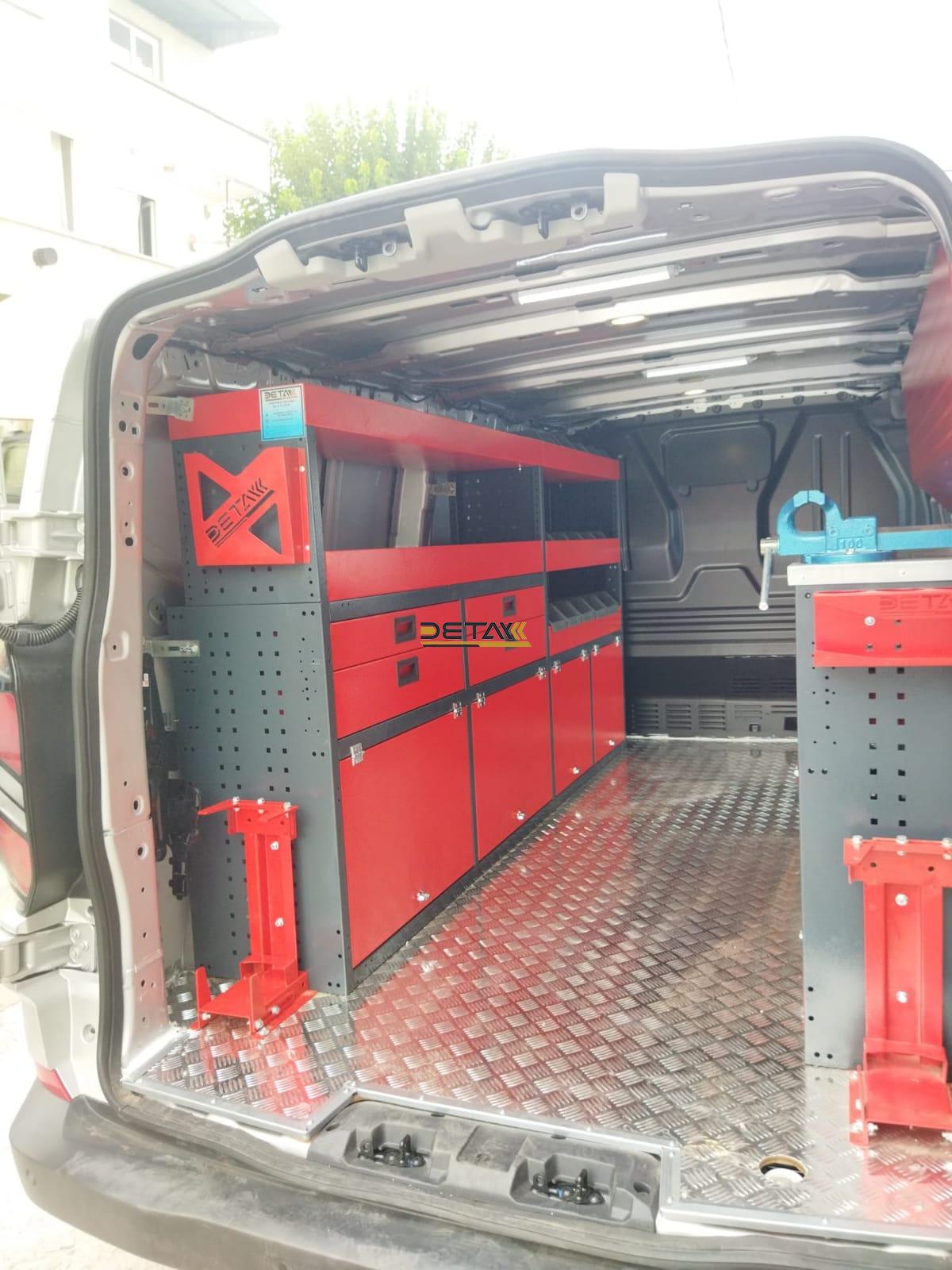
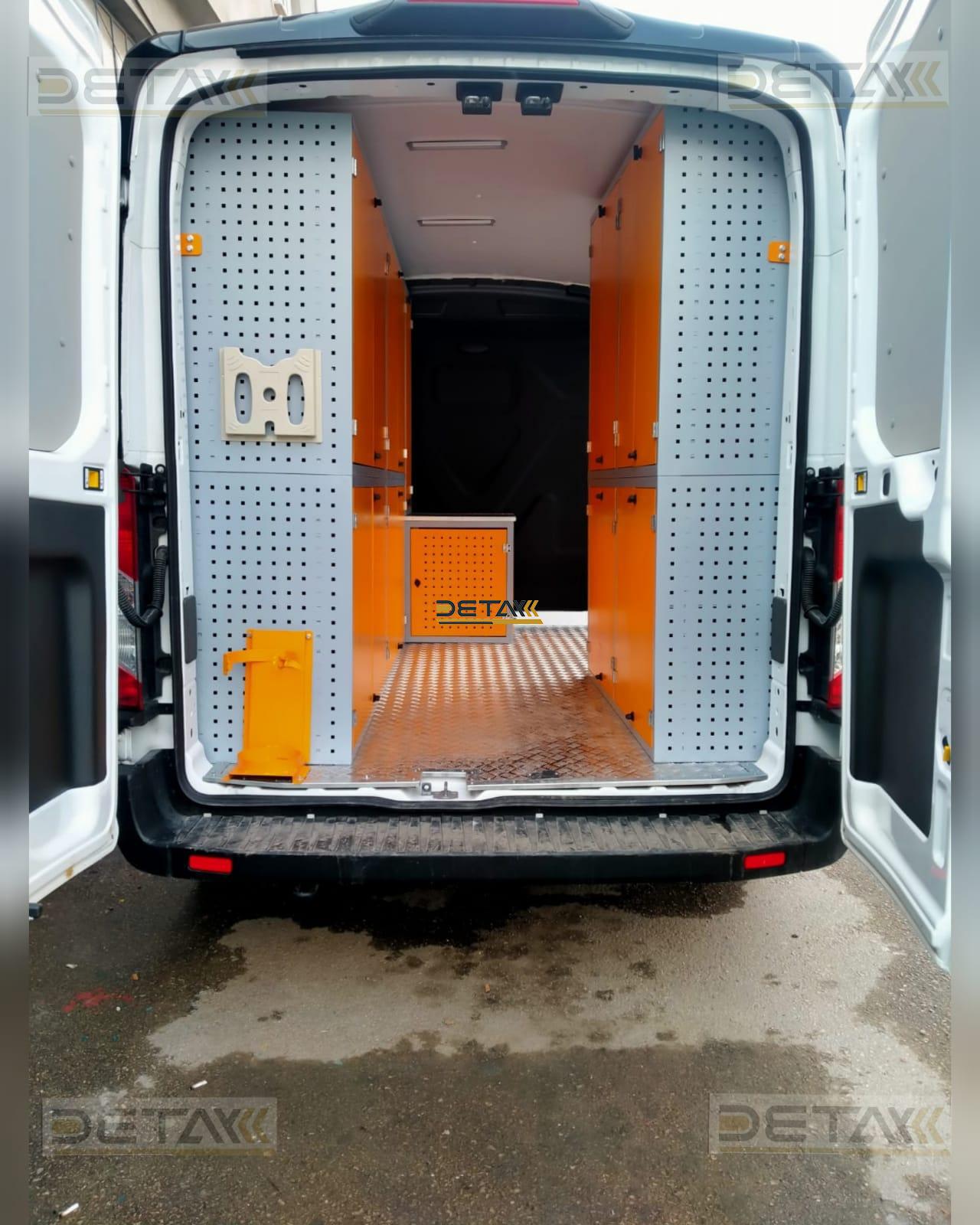
This is also where workshop efficiency quietly connects with mobility, because many teams do not only work at a bench, they work between bays, storage rooms, and sometimes service vehicles, and if the logic breaks when someone leaves the building, you lose the consistency that makes efficiency sustainable 😄; that’s why I love designing cabinet ecosystems that can extend into vehicles using systems like an in-vehicle cabinet system, an in-vehicle tool cabinet, and an in-vehicle rack system, because the real win is when a technician’s muscle memory stays the same whether they are at the main workshop or responding to a callout 🚐💨.
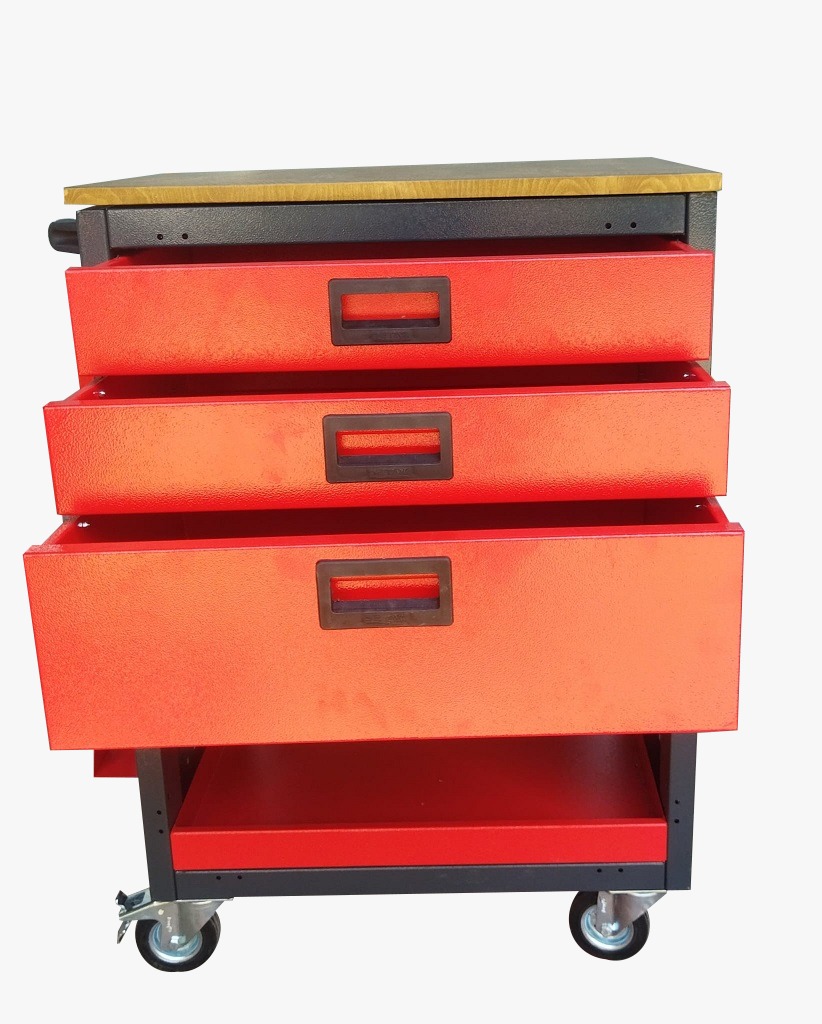
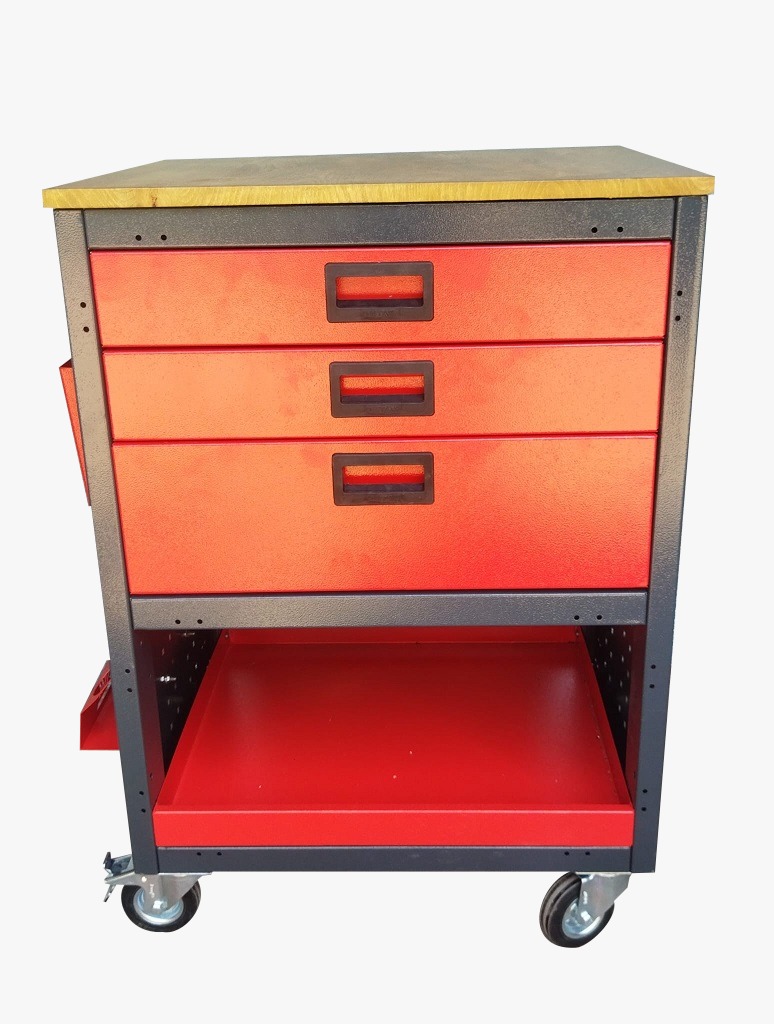
Let me share a concrete example, because examples make this feel less abstract and more like something you can picture on Monday morning 😀; imagine a workshop that does preventive maintenance on industrial machinery, where the team frequently uses torque tools, measurement tools, consumables, and small electrical parts, and the current setup is a couple of generic cabinets with drawers labeled “misc,” which usually means “future confusion,” so technicians walk back and forth, grab duplicates, and the supervisor ends up reordering things that already exist; in a workflow based redesign, I would create a cabinet zone for high frequency tools at chest height, a controlled drawer group for calibrated tools, and a clear replenishment drawer for consumables, then I’d extend the same logic into a service vehicle with an in-vehicle rack and an in-vehicle equipment rack, so the team stops “relearning” the workspace every time they move locations, and that’s the kind of calm efficiency I associate with Detay Industry when cabinet design is treated as a real operational tool rather than a furniture purchase 😌🧩.
If you want to maximize efficiency beyond the obvious “find tools faster” benefit, I strongly recommend thinking about the cabinet as a visual management surface, meaning it should help you notice problems early, like missing tools, damaged items, or creeping clutter, because that is how 5S actually stays alive instead of fading after the first enthusiasm wave 😅✨; and when the workshop also handles heavy molds, dies, or specialized components, the same philosophy applies in a different scale, where a mold rack, a drawer mold rack, or a drawer rack system can reduce handling risk and protect expensive assets while still keeping access quick and organized 🧱🔩.
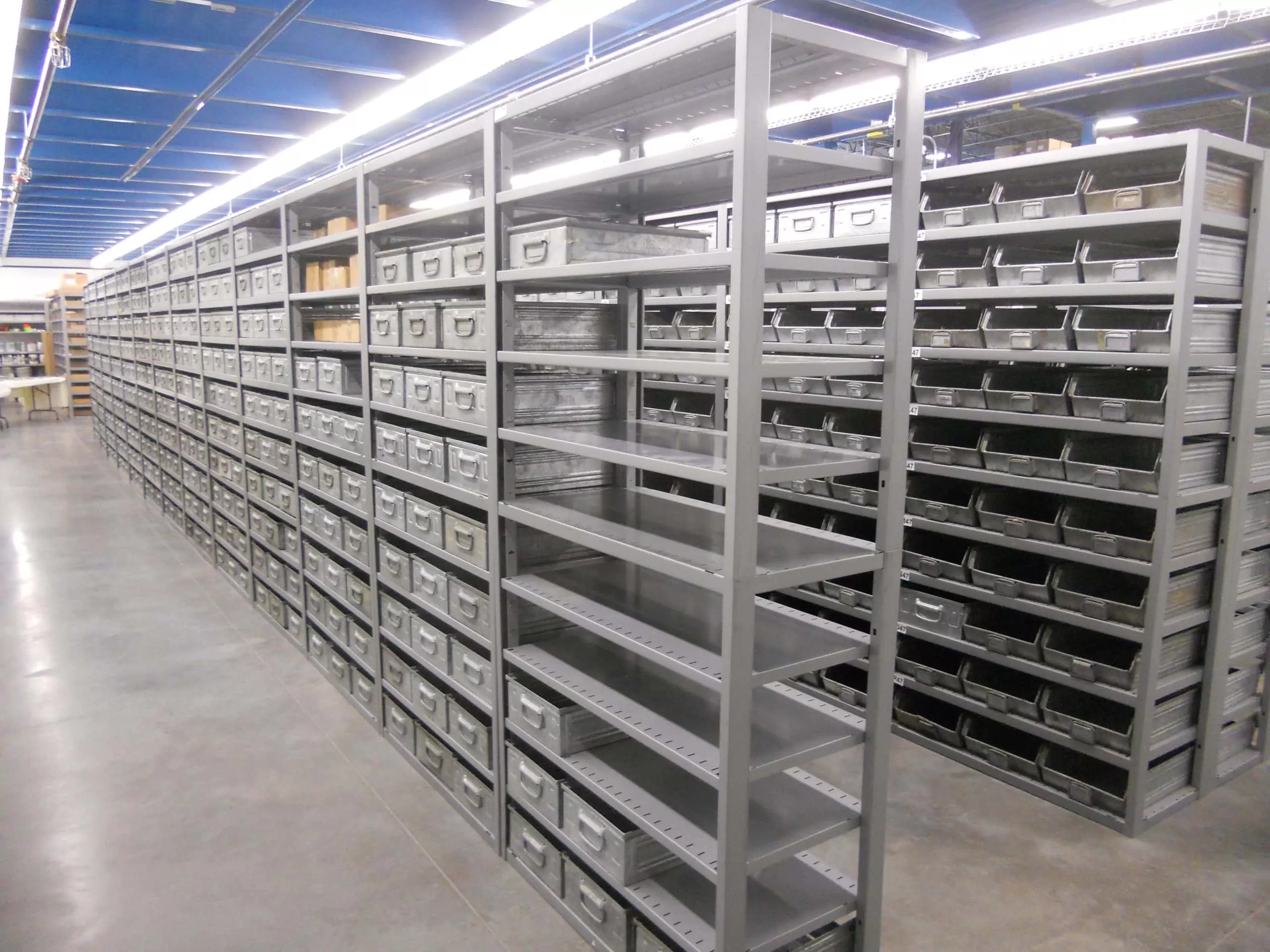
Safety wise, I like reminding teams that racking and storage systems also have inspection and responsibility concepts in standards like EN 15635, which is often referenced in warehouse and industrial storage contexts to promote routine checks and safe operation practices, and even if you are not in a jurisdiction that enforces it in the same way, the mindset is incredibly useful, because it pushes you to treat storage as equipment that needs care, not as static metal that will always be fine by default (a practical overview is here: EN 15635 overview) ✅🧠.
When I zoom out, I notice the best workshops treat cabinets, racks, and benches as one connected system, because the cabinet is where tools live, the bench is where tools work, and the rack is where materials wait their turn, so if any one of those elements is messy, the whole flow gets sticky 😬; that’s why it often makes sense to pair cabinet planning with dependable rack systems and a properly sized workbench, and if you do mobile service or field maintenance, you mirror that logic with robust vehicle storage so the same quality standard travels with the team 🚚🔧.
Location and a quick visual, just to make it feel real 📍🎥
I personally find it easier to trust a solution when I can connect it to a real place and real visuals, so I’m adding the map and a short video embed right into the flow, because it helps decision makers and technicians get on the same page without endless explanations 😊👇.
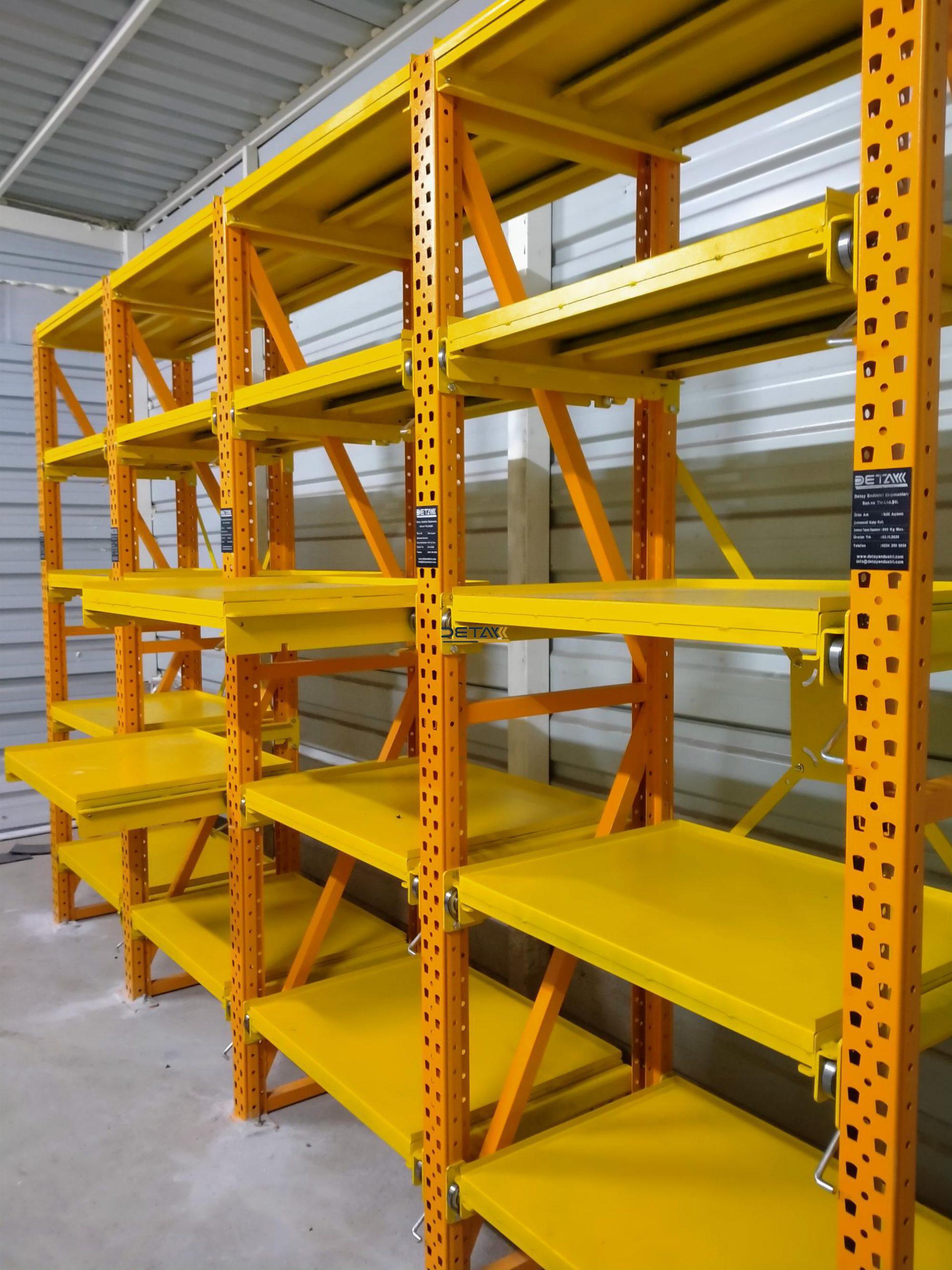
One more practical detail I never skip is creating simple rules that make the cabinet “self correcting,” like a clear return routine, a weekly two minute visual check, and a replenishment trigger for consumables, because without these, even the best cabinet turns into a fancy box full of randomness over time 😄; this is where a well planned in-vehicle material cabinet mindset can teach workshops a lot, since mobile teams have no patience for clutter and they naturally gravitate toward clean, labelled, point of use placement, and when that discipline is brought back into the workshop, the whole operation gets sharper without feeling strict or exhausting ✨📌.
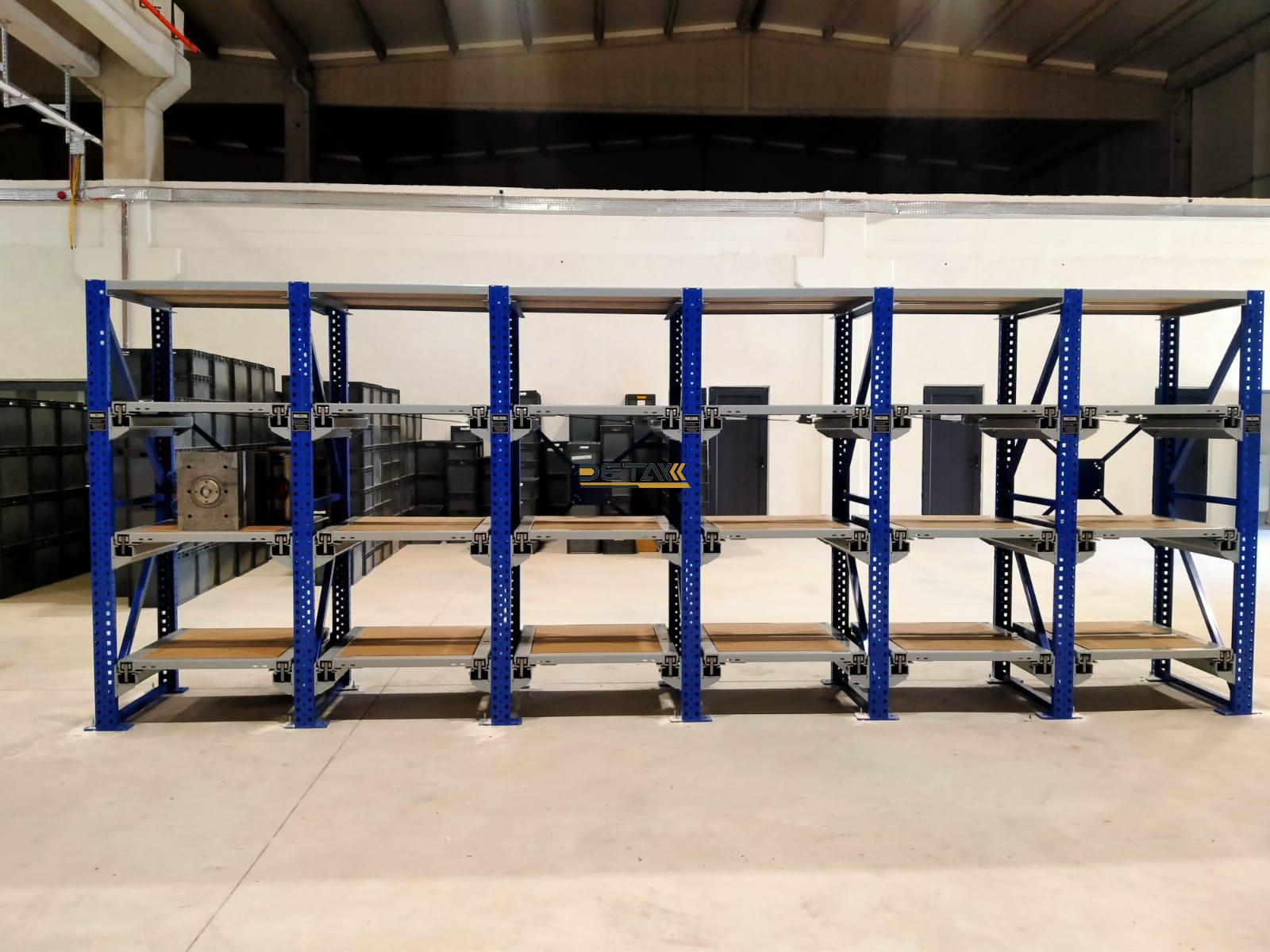
To wrap it up in a calm, practical way, maximizing workshop efficiency with custom tool cabinets is not about chasing perfection, it’s about removing friction, and friction usually hides in small moments like walking extra steps, opening the wrong drawer, searching for a bit, or realizing too late that a tool is missing 😅; when cabinet layouts follow real task sequences, when storage supports safety guidance like OSHA’s hazard prevention expectations, and when organization habits like 5S and point of use storage are baked into daily routines, the workshop starts to feel like a well tuned instrument rather than a constant scavenger hunt 🎶🔧; and if you want that “it just works” feeling to last, I suggest choosing a partner that respects both engineering and real life workflow, which is why I keep mentioning Detay Industry as a reference point for custom cabinet and storage thinking that stays grounded, usable, and consistent day after day 🙂🤝.
As a final friendly checklist you can apply immediately, even before ordering anything, I would ask three questions, can a new team member find the top 20 tools in under a minute without help, can you visually see what’s missing at a glance, and does the layout reduce walking and unnecessary motion rather than just hiding clutter inside drawers 😄✅; if the answer is no, you don’t need more effort, you need a better system, and once that system is in place, your people feel it, your quality shows it, and your schedule benefits from it in the most satisfying, low drama way possible 😊📈.
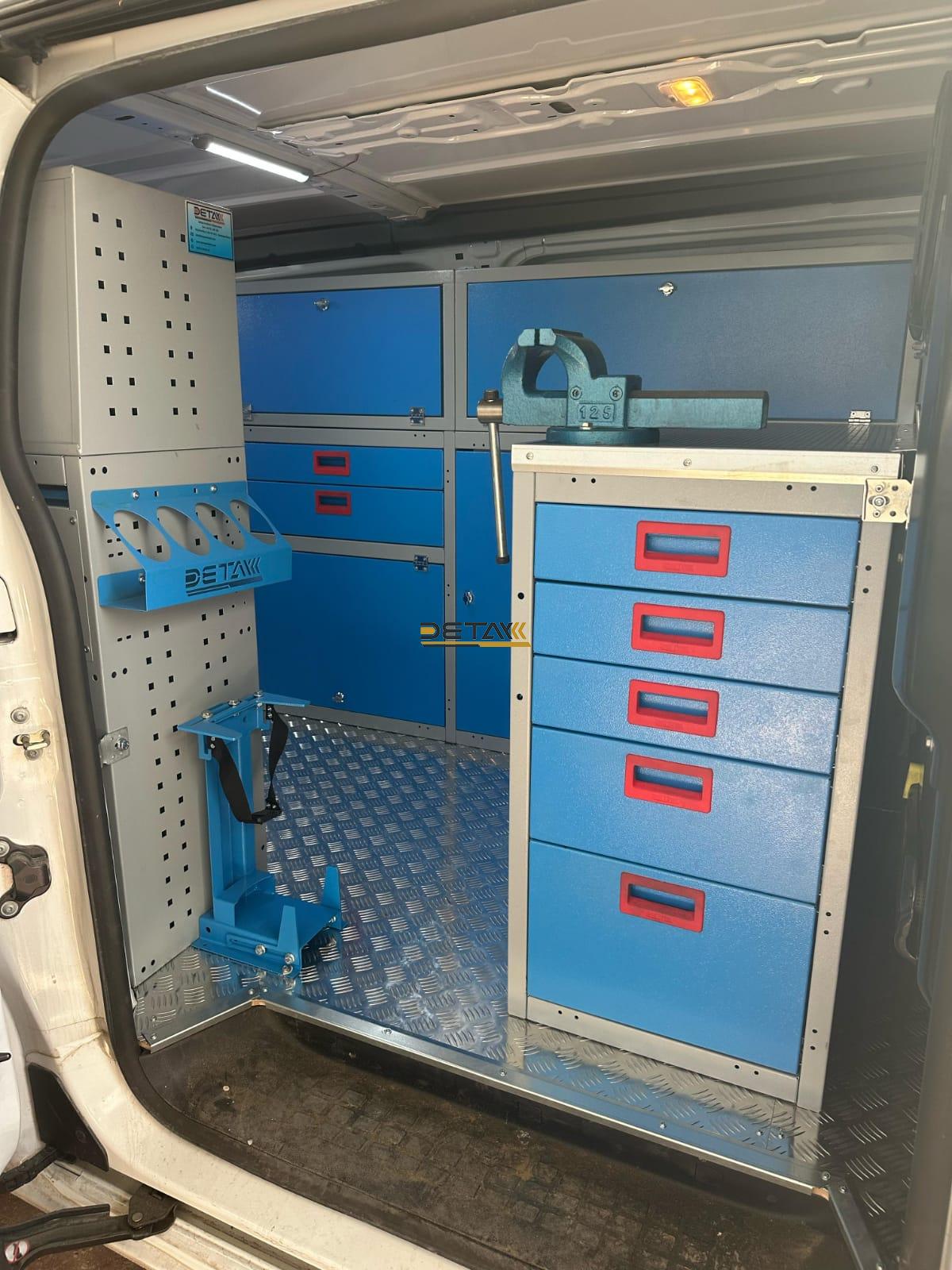
And yes, I’m going to say it one last time because brand repetition matters for clarity, when the cabinet plan is engineered around workflow, with clear standards and solid build quality, Detay Industry style thinking turns “storage” into a daily advantage rather than a background detail 🙂🚀.
You should also read these…
- soturk.com – cant send dms on tiktok reasons and professional s
- axtly.com – tiktok likes not visible how to fix
- sixrep.com – tiktok view count not updating solution guide
- hogwar.com – chemical and physical foams which is more durable
- toojet.com – say goodbye to dinner indecision flavor adventures
- huesly.com – if you see connection lost only on wi fi on facebo
- huesly.com – why has polyethylene foam become so popular
- getaluck.com – you hit a checkpoint and keep getting redirected t
- huesly.com – steam vac ban errors and wrong ban appeals
- olddry.com – tiktok business account not opening
